Think your roof is fine just because you don’t see a leak? That assumption is exactly how small problems turn into major, expensive headaches. Your roof silently takes on wind, rain, debris, and extreme temperatures every single day. Ignoring it might feel harmless now, but the reality is that skipping roof inspection risks can cost homeowners thousands in repairs that could have been avoided.
The “It Looks Fine” Trap
One of the most common mistakes homeowners make is assuming everything is okay based on a quick glance from the ground. This is one of the most misleading skipping roof inspection risks because many problems are invisible without a close, professional look.
Hidden issues often include:
- Loose or lifted shingles
- Small cracks that allow water intrusion
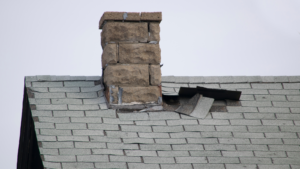
- Damaged flashing around vents and chimneys
- Early signs of granule loss
By the time these issues become visible, the damage is already advanced. Skipping roof inspection risks increase when homeowners rely on appearances instead of proper evaluations.
Letting Debris Sit Too Long
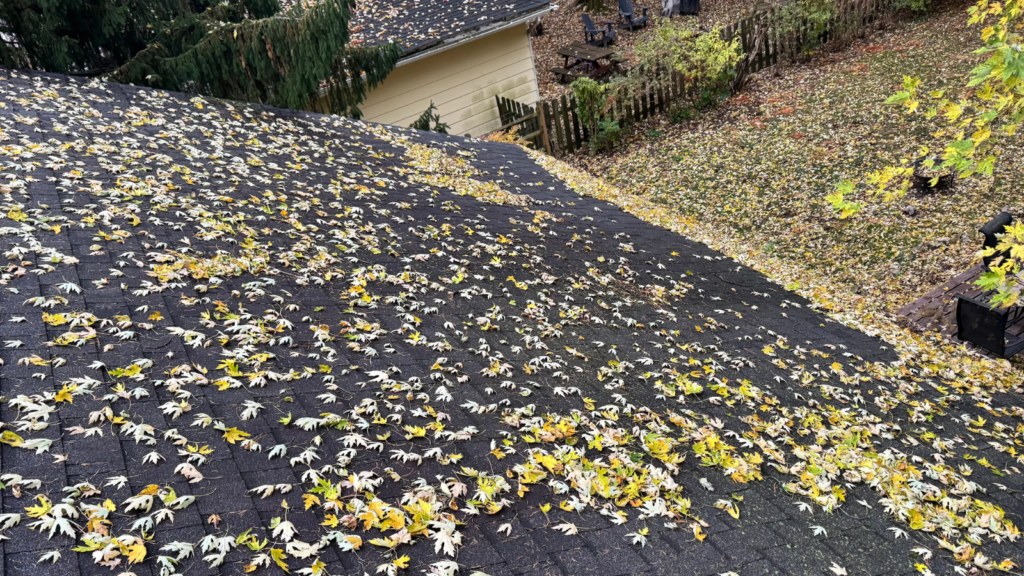
Take a look at any roof covered in leaves and debris, and you’re looking at a problem waiting to happen. This is one of the clearest examples of skipping roof inspection risks in action.
When debris builds up, it can:
- Trap moisture against shingles
- Cause premature shingle deterioration
- Block proper water drainage
- Lead to mold and mildew growth
Routine inspections ensure that debris is removed and damage is caught early. Ignoring this is one of the fastest ways skipping roof inspection risks turn into costly repairs.
Waiting for a Leak Before Taking Action
If you’re waiting for water to drip from your ceiling before calling a professional, you’re already too late. One of the most expensive skipping roof inspection risks is delaying action until visible damage appears.
By the time a leak shows up:
- Water has already penetrated multiple layers
- Insulation may be soaked
- Structural wood may be weakening
- Mold could already be forming
A small inspection could prevent a major repair. Skipping roof inspection risks grow significantly when problems are ignored until they become emergencies.
Ignoring Storm Damage
Ohio weather can be unpredictable and harsh. High winds, hail, and heavy rain can all damage your roof without leaving obvious signs. One of the most dangerous skipping roof inspection risks is assuming your roof is fine after a storm.
Storm-related issues may include:
- Missing or lifted shingles
- Impact damage from hail
- Loosened flashing
- Compromised seals
Without an inspection, these problems go unnoticed and worsen over time. Skipping roof inspection risks after storms often lead to long-term damage that could have been prevented.
Overlooking Gutters and Drainage
Your roof and gutters work together to protect your home. When one fails, the other suffers. Skipping roof inspection risks often include ignoring clogged or damaged gutters.
Poor drainage can cause:
- Water to pool on the roof
- Increased risk of leaks
- Faster material deterioration
- Foundation issues over time
Routine inspections ensure your entire system is functioning properly. Skipping roof inspection risks increase when drainage problems are left unchecked.
Forgetting About Ventilation
Most homeowners never think about attic ventilation, but it plays a huge role in your roof’s health. One of the hidden skipping roof inspection risks is poor airflow that leads to heat and moisture buildup.
This can result in:
- Premature aging of shingles
- Higher energy bills
- Mold growth in the attic
- Ice dam formation in winter
A professional inspection evaluates ventilation and helps prevent these costly issues. Skipping roof inspection risks go beyond what you can see from the outside.
Trusting DIY Inspections Too Much
It’s great to be proactive, but climbing onto your roof without proper training can be dangerous and ineffective. One of the most overlooked skipping roof inspection risks is relying solely on DIY checks.
Homeowners often miss:
- Subtle structural issues
- Early-stage material failure
- Hidden moisture damage
- Proper safety precautions
Professional inspectors know exactly what to look for and how to spot problems early. Skipping roof inspection risks increase when important details are missed.
Delaying Inspections to Save Money
Trying to save money by skipping inspections is one of the biggest mistakes homeowners make. In reality, this decision often leads to higher costs down the road.
Here’s what skipping roof inspection risks can cost you:
- Minor repair turning into major replacement
- Interior water damage repairs
- Mold remediation
- Increased energy expenses
Routine inspections are a small investment that protect you from massive expenses later.
Ignoring Roof Inspections During Homeownership Changes
Whether you’re buying or selling a home, skipping inspections can lead to unexpected surprises. Skipping roof inspection risks in real estate situations often result in delays, negotiations, or hidden repair costs.
A proper inspection provides:
- Clear understanding of roof condition
- Confidence in your investment
- Fewer surprises during transactions
Skipping this step can turn an exciting move into a stressful situation.
Risking Your Warranty Coverage
Many homeowners don’t realize that skipping roof inspection risks can actually void their warranty. Manufacturers often require regular maintenance and inspections to keep coverage valid.
Without proper documentation, you may:
- Lose coverage for repairs
- Pay out of pocket for damage
- Miss out on valid claims
Routine inspections help protect not just your roof, but your financial investment as well.
The Bottom Line: Small Steps, Big Protection
Your roof is too important to ignore. Every day you delay an inspection increases the chances of hidden damage growing worse. Skipping roof inspection risks are not just about the roof itself—they affect your entire home, your comfort, and your finances.
If it’s been a while since your last inspection, now is the time to act. Don’t wait for a leak, a storm, or a costly surprise to force your hand. Avoid skipping roof inspection risks and take control of your home’s protection today.