Replacing a roof is one of the biggest home improvement decisions a homeowner will ever make. Your roof protects your home from Ohio’s unpredictable weather, preserves structural integrity, and directly affects long-term property value. But unlike smaller home projects, replacing a roof requires thoughtful planning—especially in a state like Ohio, where the climate throws nearly every weather challenge imaginable at your home.
Homeowners in Marengo, Mount Vernon, and the surrounding Central Ohio area face specific regional considerations that homeowners in milder climates never have to think about. The combination of cold winters, humid summers, heavy storms, and constant temperature swings means your choice of materials, timing, and contractor matters more than you might think.
This comprehensive guide breaks down everything you need to know before replacing a roof in Ohio: how local weather impacts roof lifespan, what roofing materials perform best in this region, when to schedule your replacement, what costs and permits to expect, and why choosing a reputable local contractor like Whitt Roofing & Restoration is essential. Whether your roof is aging, storm-damaged, or simply overdue for an upgrade, understanding these factors helps you make the best long-term decision for your home.
How Ohio Weather Affects Roof Lifespan
Ohio’s climate significantly impacts how long your roof lasts—and how often homeowners end up replacing a roof. Unlike climates that are predominantly hot or mostly cold, Ohio experiences dramatic shifts in weather throughout the year. Each season plays a different role in the deterioration of roofing materials.
During winter, roofs face intense cold, ice, and the freeze-thaw cycle. When temperatures fluctuate above and below freezing, roofing materials expand and contract repeatedly. Over time, this constant movement weakens asphalt shingles, causes them to crack, and breaks down sealants. Ice dams are also a major concern. Warm air escaping from an attic melts snow on the roof surface, which then refreezes near the edges and traps water behind it. That trapped water can seep under shingles and into the roof structure. When replacing a roof, many homeowners choose to upgrade attic insulation and ventilation to minimize ice damming in future winters.
Spring brings heavy rain, thunderstorms, wind gusts, and hail—all of which accelerate wear on older roofs. High winds can remove shingles, shift flashing, or lift the edges just enough to let water in. Hail can bruise shingles or knock off protective granules, even if outward damage appears minimal. Because spring weather exposes weaknesses in the roofing system, many homeowners begin noticing leaks or roof issues during this time.
Summer in Ohio is hot, humid, and sunny. High UV exposure dries out shingles, making them brittle and prone to cracking. Humidity can also cause moisture buildup in attics, which contributes to mold or wood rot. Proper attic ventilation becomes crucial during the summer months, and when replacing a roof, upgrading the ventilation system can dramatically extend the lifespan of the new roof.
Fall adds a new layer of challenges. Falling branches, heavy winds, and clogged gutters can restrict drainage. When gutters overflow, water backs up under the shingles and damages the roof decking. Fall is also a time when many homeowners prepare for winter, which makes it a popular season for roof inspections and replacements.
Because each season affects roofs differently, homeowners in Ohio often need to replace roofs sooner than homeowners in more moderate climates. Understanding how weather impacts your roofing system helps you choose the right materials and installation methods when replacing a roof in this region.
Best Roofing Materials for Ohio Homes
Choosing the right roofing material is one of the most important decisions you’ll make when replacing a roof. Not all materials perform equally in Ohio’s weather, and choosing the wrong one can shorten your roof’s lifespan or lead to future repairs.
Asphalt shingles are the most popular choice among Ohio homeowners. They are cost-effective, durable, and available in a variety of styles and thicknesses. Architectural shingles—thicker, heavier, and more durable than traditional 3-tab shingles—are the preferred choice for most homeowners replacing a roof today. They resist curling, cracking, and lifting better, which makes them ideal for Ohio’s freeze-thaw cycles and windy storms.
Impact-resistant shingles are another smart option, especially in areas frequently hit by hail. These shingles are engineered to withstand hail strikes and wind-blown debris. While they cost more upfront, they often reduce insurance premiums and last longer under aggressive weather conditions.
Metal roofing is growing in popularity across Ohio because of its longevity, energy efficiency, and durability. Metal roofs reflect sunlight, which keeps attics cooler in the summer. They shed snow easily in the winter, reducing ice dam risks. And unlike shingles, metal does not crack or warp. Although a metal roof costs more upfront, it often lasts 50 years or more, making it an excellent long-term investment for homeowners planning to stay in their homes for decades.
Slate and tile roofing offer unmatched longevity and beauty, but they are extremely heavy and require reinforced roof structures. In Ohio, slate is more commonly found on historic homes. Its durability stands up well to harsh weather, but installation must be done by specialists.
Wood shake roofs offer a rustic look but require more maintenance than other materials. Because Ohio’s humidity can cause wood to warp or rot if not properly sealed, wood shake roofs are not the easiest option for long-term durability. Still, with proper maintenance, they can be a visually stunning choice.
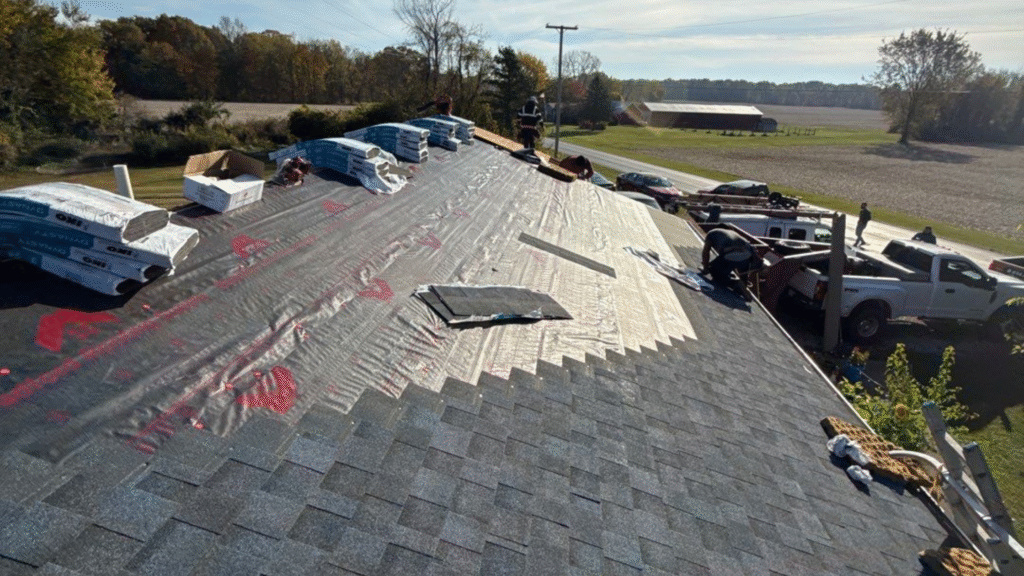
Underlayment is just as important as the top-layer roofing material. Synthetic underlayment is the industry standard today because it offers superior tear resistance, water resistance, and durability in both cold and hot temperatures. Ice and water shield is also essential on Ohio homes, especially along eaves, valleys, and low-slope areas prone to ice damming.
Choosing the right materials ensures your home stays protected year-round and significantly reduces the likelihood of premature roof failure in Ohio’s unforgiving climate.
Timing, Season, and Local Scheduling Considerations
When replacing a roof in Ohio, the timing of your project is just as important as the materials you choose. Each season has pros and cons, and understanding how timing affects cost, installation quality, and project speed helps you plan effectively.
Spring and fall are the peak seasons for roof replacements in Ohio. Spring offers ideal temperatures for installation—typically between 45°F and 75°F—allowing shingles to seal properly and crews to work efficiently. However, spring storms can create delays, and contractor schedules fill quickly due to heavy demand. If you’re planning to start replacing a roof in the spring, it’s best to book early.
Fall is another popular season because of stable weather and cooler temperatures. Shingles seal well in the fall, and homeowners appreciate having a new roof installed before winter storms arrive. Fall roof replacements also address any issues that could worsen during winter, such as loose shingles or aging materials.
Summer can be a good time for roof replacement, especially in early or mid-summer when temperatures aren’t extremely high. However, asphalt shingles can become pliable in extreme heat, making installation more challenging. Roofing crews must take care to avoid scuffing or damaging fresh shingles during hot weather. That said, summer often offers the fastest scheduling availability.
Winter is the least ideal time for replacing a roof, but it is still possible. Shingles may become brittle in very cold temperatures, and sealant takes longer to adhere. However, some materials—like metal roofing—perform well in winter installations. Winter projects can also be easier to schedule because demand is lower. For emergency repairs or roof replacements needed due to storm damage, winter work may be unavoidable, but it must be handled by an experienced crew.
Another important timing factor is local permitting and inspection schedules. In many Ohio counties, permits are required for replacing a roof. Working with a contractor who handles the permits and understands the local processes can save homeowners time and stress.
Homeowners should also consider the timing of insurance claims. If your roof was damaged by hail or wind, filing a claim promptly ensures coverage and prevents further damage that could void insurance benefits. Whitt Roofing & Restoration is experienced in working with insurance companies throughout Central Ohio, making the claim process smoother for homeowners.
Costs, Permits & What to Expect When Replacing a Roof
Replacing a roof is a significant investment, and understanding the costs involved helps homeowners plan appropriately. The total cost depends on materials, roof size, roof pitch, labor, and any underlying damage that needs to be corrected. While asphalt shingles offer the most affordable option, premium materials like metal, slate, or tile increase the price.
In Ohio, the average roof replacement cost ranges widely depending on material and complexity. Homeowners should also factor in the cost of removing old shingles, disposing of debris, replacing damaged decking, upgrading ventilation, or installing ice and water shield. These additional components may increase the cost but significantly improve the longevity and performance of the new roof.
Permits are required in many Ohio counties for replacing a roof. The purpose of these permits is to ensure your new roof is installed correctly, meets building codes, and is safe for long-term use. Your roofing contractor should handle the permitting process entirely, which is one of the benefits of working with an experienced local company.
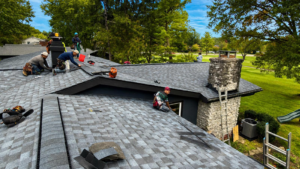
During the replacement process, homeowners can expect noise, occasional vibrations, and debris removal. Professional roofing crews protect landscaping, clean the job site thoroughly, and remove old materials responsibly. A full roof replacement typically takes one to three days, depending on the size and complexity of the roof.
A reputable roofing company will also conduct a full inspection before starting work. This inspection identifies any hidden issues, such as rotting decking or deteriorated flashing, that may need attention during the project. Addressing these issues early prevents future leaks or failures in the roofing system.
Finally, homeowners should expect documentation such as warranties on both materials and workmanship. These warranties provide peace of mind and protect your investment for years to come.
Why Choose Whitt Roofing & Restoration
When replacing a roof in Ohio, choosing the right contractor is just as important as choosing the right materials. A high-quality installation ensures the roof performs correctly under heavy snow, intense heat, high winds, and year-round weather fluctuations. Homeowners in Marengo, Mount Vernon, and surrounding areas trust Whitt Roofing & Restoration for good reason.
Whitt Roofing & Restoration provides exceptional craftsmanship and uses high-quality materials designed specifically for Ohio weather. Their team understands local building codes, seasonal challenges, and the unique needs of Central Ohio homeowners. They take the time to inspect the entire roofing system, not just the shingles, ensuring your home receives a long-lasting and reliable roofing solution.
Their company prides itself on honest communication, transparent pricing, and dependable service. Whether you’re replacing a roof due to storm damage, aging materials, or home improvement goals, Whitt Roofing & Restoration offers expert guidance throughout the entire process. They also work closely with insurance companies when applicable, easing the stress for homeowners and helping them maximize their coverage.
Local experience matters, and Whitt Roofing & Restoration is deeply rooted in the community. Their reputation is built on years of consistent quality, customer care, and attention to detail. When Ohio weather puts your home to the test, you want a roofing team who understands those conditions firsthand—and that’s exactly what Whitt delivers.
If you’re considering replacing a roof in Marengo, Mount Vernon, or anywhere in Central Ohio, Whitt Roofing & Restoration is the trusted partner who will ensure your project is done right the first time. Contact us today for an inspection.