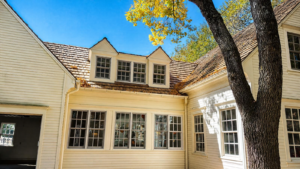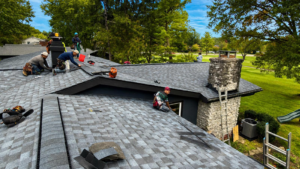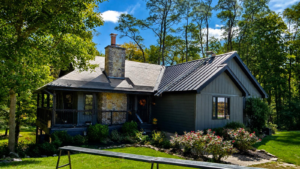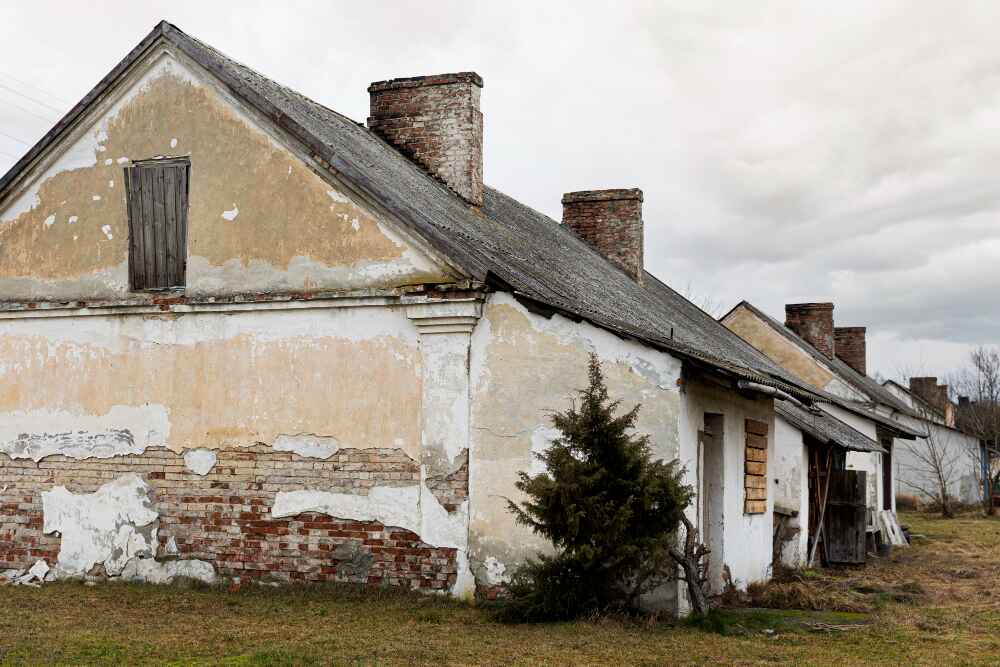
Mount Vernon’s unique climate presents specific challenges for homeowners when it comes to maintaining their roofs. Understanding common Mount Vernon roof issues can help you protect your investment and prevent costly repairs. From harsh winters to summer storms, local weather patterns contribute to various Mount Vernon roof issues that require attention throughout the year.
Understanding Mount Vernon’s Climate Impact on Roofs
Our location in central Ohio exposes homes to diverse weather conditions that can accelerate roof wear. Mount Vernon roof issues often stem from the region’s freeze-thaw cycles during winter months, combined with summer storms and humidity. These weather patterns create unique challenges that differ from other parts of the state, making local expertise crucial when addressing Mount Vernon roof issues.
The seasonal temperature fluctuations typical of our area can cause materials to expand and contract, leading to common Mount Vernon roof issues such as shingle damage and flashing problems. Understanding these local weather patterns helps homeowners anticipate and prevent potential roofing problems before they become serious.
Common Problems During Winter Months
Winter brings particular challenges to Mount Vernon roofs. Ice dams represent one of the most significant Mount Vernon roof issues during colder months. These form when heat escaping from your home melts snow on the roof, which then refreezes at the eaves. This cycle can lead to water backing up under shingles and causing interior damage.
Snow accumulation also creates specific challenges for local homeowners. While Mount Vernon homes are built to handle snow loads, prolonged heavy accumulation can stress roof structures. Regular inspection and snow removal when necessary can prevent these winter-related issues from causing significant damage.
Spring and Summer Challenges
As winter transitions to spring, different types of Mount Vernon roof issues emerge. Spring storms can bring high winds and heavy rains, testing your roof’s integrity. Proper drainage becomes crucial during this season, as clogged gutters and downspouts can lead to water damage and foundation problems.
Summer heat and humidity present their own set of challenges. UV exposure can cause shingles to deteriorate over time, while sudden temperature changes can lead to thermal shock. These conditions make regular maintenance especially important for preventing common roofing issues during warmer months.
Signs of Roof Problems
Water stains on ceilings or walls often indicate leaks that require immediate attention. Dark spots or mold growth in attics can signal ventilation problems common to Mount Vernon homes. Peeling paint or wallpaper may also indicate moisture issues related to roof problems.
On the exterior, missing, cracked, or curling shingles represent common concerns that need addressing. The presence of granules in gutters can indicate shingle deterioration. Flashing around chimneys and vents deserves particular attention, as these areas often develop leaks in our climate.
Professional Inspection Importance
While homeowners can identify many obvious problems, professional inspections remain crucial for maintaining roof integrity. Local experts understand specific Mount Vernon roof issues and can spot potential problems before they become serious. Their experience with local building practices and common problems helps ensure a thorough evaluation of your roof’s condition. Regular professional inspections typically prove more cost-effective than dealing with major repairs later. Knowing the right roof inspection process in Ohio can help prevent bigger issues.
Preventive Maintenance Strategies
Regular maintenance helps prevent many common roofing problems. Keeping gutters clean and properly aligned prevents water damage, while ensuring proper attic ventilation prevents moisture buildup and ice dam formation. Trimming overhanging branches protects your roof from potential storm damage. For more homeowner tips, check the National Roofing Contractors Association roofing guide.
Professional inspections should occur regularly to catch potential issues early. This proactive approach proves particularly important given the variable weather conditions in Mount Vernon. Consider establishing a relationship with a trusted local contractor who can provide consistent care and is familiar with the specific challenges our area presents.
Understanding Roofing Materials
Different roofing materials perform differently under local conditions. Asphalt shingles remain most popular due to their cost-effectiveness and durability in our climate. Modern versions offer improved wind resistance and better protection against UV damage, while remaining available in various styles to match your home’s architecture.
Metal roofing continues gaining popularity for its longevity and weather resistance. It performs particularly well in snow conditions and can help reduce cooling costs during summer. Though the initial cost runs higher than traditional materials, metal roofing often proves cost-effective over its lifetime through reduced maintenance needs and energy savings.
Energy Efficiency and Ventilation
Proper roofing significantly impacts your home’s energy efficiency. Adequate insulation and ventilation work together to regulate temperature and prevent moisture problems. In Mount Vernon’s variable climate, these factors become especially important for maintaining comfort and preventing ice dams during winter months.
Proper attic ventilation helps extend roof life by preventing moisture accumulation and reducing heat buildup. This ventilation proves particularly important in our region, where seasonal temperature variations can create significant stress on roofing materials.
Working with Local Contractors
Choosing the right contractor makes a significant difference in addressing roof issues. Local experience matters, as contractors familiar with Mount Vernon’s specific challenges can better anticipate and address common problems. They understand local building codes, weather patterns, and typical construction methods used in our area.
When selecting a contractor, ask about their experience with similar homes in the area. Request references from local projects and verify their licensing and insurance. A reputable local contractor will provide detailed written estimates and maintain clear communication throughout the project.
Emergency Repairs and Storm Response
When emergencies occur, having an established relationship with a reliable contractor proves invaluable. Storm damage requires quick response to prevent further problems, and local contractors can typically respond more quickly to urgent situations. Our emergency roof assessment services are designed for fast action when storms strike. They can also help document damage for insurance purposes and implement temporary measures to protect your home when necessary.
Cost Considerations and Planning
Various factors influence roofing costs in Mount Vernon, including material choice, roof complexity, and project timing. Understanding these factors helps in planning for both immediate repairs and future replacements. Consider creating a maintenance fund to prepare for eventual roofing needs.
Seasonal timing can affect both cost and project scheduling. While emergency repairs may be necessary year-round, planning non-urgent work during optimal weather conditions can improve results and potentially reduce costs. Local contractors can advise on the best timing for your specific project.
Future Planning and Upgrades
Consider future needs when making current roofing decisions. Improvements in materials and technology offer new options for enhancing durability and energy efficiency. Discussing these options with local experts can help you make informed choices that benefit your home long-term.
Energy-efficient roofing options might cost more initially but can provide significant savings over time. Local contractors can help evaluate these options based on our specific climate conditions and your home’s needs.
Conclusion
Understanding and addressing common Mount Vernon roof issues helps protect your home investment. Regular maintenance, prompt repairs, and working with qualified local professionals ensures your roof continues performing effectively despite local weather challenges. Remember that prevention typically costs less than emergency repairs, making regular inspection and maintenance crucial for Mount Vernon homeowners.
Stay proactive in roof maintenance, address issues promptly, and work with trusted local professionals to keep your home protected. Understanding common Mount Vernon roof issues and maintaining your roof properly helps ensure your home remains safe and comfortable throughout all seasons.
When it comes to protecting your home from water damage, roof flashing plays a crucial role. This often-overlooked component is vital to the integrity of your roofing system, directing water away from vulnerable areas and preventing leaks. However, like any part of a roof, flashing can wear out over time, leading to the need for a roof flashing fix. In this blog post, we will explore the importance of roof flashing, common issues homeowners face, the steps involved in fixing flashing problems, and why choosing a professional service like Whitt Roofing & Restoration is essential for your roofing needs in Marengo and Mount Vernon, OH.
Understanding Roof Flashing
Before diving into the specifics of roof flashing fixes, it’s important to understand what roof flashing is and its role in your roofing system.
What is Roof Flashing?
Roof flashing is a thin material, typically made of metal, that is installed in areas where the roof meets vertical surfaces, such as chimneys, walls, and vents. The primary purpose of flashing is to direct water away from these vulnerable areas and prevent it from seeping into your home. Flashing can be found in various forms, including continuous flashing, step flashing, and counter flashing.
Common Types of Roof Flashing:
Continuous Flashing: This type is used along the edges of walls and roofs to create a watertight seal. It is commonly installed where the roof meets a vertical surface.
Step Flashing: Typically used around chimneys, step flashing consists of individual pieces that are layered to allow water to flow down the roof and away from the structure.
Counter Flashing: Installed on walls, counter flashing is designed to overlap the top of step flashing, further enhancing the waterproofing at critical junctions.
Importance of Roof Flashing:
Flashing is essential for protecting your home from water damage. Without proper flashing, water can seep into cracks and gaps, leading to leaks, mold growth, and structural damage. Properly installed flashing can significantly extend the lifespan of your roof and prevent expensive repairs.
Signs of Flashing Problems:
Over time, flashing can become damaged or deteriorated due to weather exposure, improper installation, or physical damage. Some signs that indicate you may need a roof flashing fix include:
- Water stains on ceilings or walls
- Missing or bent flashing
- Rust or corrosion on metal flashing
- Visible gaps or cracks in the flashing
Understanding the importance of roof flashing and recognizing the signs of potential issues is the first step in maintaining the integrity of your roof.
Common Issues with Roof Flashing
Various factors can lead to problems with roof flashing, impacting its effectiveness in protecting your home. Here are some common issues to look out for:
Improper Installation:
If roof flashing is not installed correctly, it can lead to gaps and leaks. Common installation mistakes include inadequate sealing, improper overlaps, and failing to integrate flashing with roofing materials properly.
Deterioration Over Time:
Exposure to the elements can cause flashing to deteriorate over time. Metal flashing can rust, while sealants may crack or break down, leading to weak points where water can penetrate.
Physical Damage:
Flashing can be damaged by falling debris, extreme weather conditions, or even improper maintenance practices, such as pressure washing. Physical damage can compromise the flashing’s ability to redirect water away from critical areas.
Debris Accumulation:
Leaves, dirt, and other debris can accumulate around flashing, blocking water flow and leading to pooling. This can create pressure on the flashing and lead to leaks.
Ice Dams:
In colder climates, ice dams can form along the edges of roofs, putting pressure on flashing. When the ice melts, the resulting water can seep under flashing, leading to leaks and water damage.
Identifying these common issues with roof flashing can help homeowners take proactive measures to address potential problems before they escalate.
How to Fix Roof Flashing Problems
When it comes to addressing roof flashing issues, timely repairs are essential. Here’s a step-by-step guide on how to perform a roof flashing fix:
Assess the Damage:
Begin by inspecting the flashing for signs of damage or deterioration. Look for rust, gaps, or loose areas. If you notice damage, take photos and notes to help you determine the extent of the repairs needed.
Gather Necessary Tools and Materials:
To perform a roof flashing fix, you will need the following tools and materials:
- Ladder
- Safety harness
- Hammer
- Roofing nails
- Caulk gun and roofing sealant
- Replacement flashing material (if necessary)
- Utility knife
- Safety goggles and gloves
Safety First:
Before climbing onto the roof, ensure that you are wearing appropriate safety gear. Secure your ladder and use a safety harness if working on a steep slope. Always prioritize safety when working at heights.
Remove Damaged Flashing:
If the flashing is severely damaged, it may need to be removed and replaced. Use a utility knife to carefully cut away any sealant or roofing material around the flashing. Remove the old flashing, taking care not to damage surrounding roofing materials.
Prepare the Area:
Once the damaged flashing is removed, clean the area thoroughly. Remove any debris, loose materials, or old sealant that may prevent proper sealing of the new flashing.
Install New Flashing:
If you are replacing the flashing, cut the new flashing material to size. Ensure that it overlaps existing roofing materials properly to provide a watertight seal. Install the new flashing using roofing nails, securing it tightly.
Seal the Edges:
After installing the new flashing, use roofing sealant to seal the edges and overlaps. Apply a generous amount of sealant to ensure that there are no gaps where water could penetrate. Smooth the sealant with a caulk gun or your finger for a clean finish.
Inspect and Test:
Once the flashing is installed and sealed, inspect your work to ensure everything is secure. If possible, test the area by running water over the flashing to check for leaks.
Regular Maintenance:
After completing the repair, schedule regular inspections of your roof flashing to ensure it remains in good condition. Check for signs of wear, damage, or debris accumulation, and address any issues promptly.
By following these steps, you can effectively perform a roof flashing fix and protect your home from water damage.
Preventative Measures for Roof Flashing
Taking preventative measures can help avoid common issues with roof flashing and prolong the life of your roof. Here are some effective strategies to consider:
Regular Inspections:
Schedule routine inspections of your roof and flashing at least twice a year, and after severe weather events. Early detection of issues can prevent costly repairs down the line.
Maintain Gutters:
Keep gutters clear of debris to ensure proper water drainage. Clogged gutters can lead to water pooling around flashing and increase the risk of leaks. Regularly clean your gutters or install gutter guards to minimize debris accumulation.
Trim Overhanging Branches:
If you have trees near your home, regularly trim overhanging branches. This can prevent damage to flashing from falling limbs and reduce the amount of debris that collects on your roof.
Keep Roof Clean:
Regularly clean your roof to remove dirt, leaves, and other debris. This helps prevent moisture buildup and reduces the likelihood of mold and algae growth.
Monitor Weather Conditions:
Be proactive in monitoring weather conditions. If severe storms are forecasted, inspect your roof and flashing beforehand to identify any vulnerabilities. Taking action before bad weather can help mitigate damage.
Consult Professionals:
If you notice any signs of damage or if you are unsure about the condition of your roof flashing, consult a professional roofing contractor. They can provide a thorough assessment and recommend necessary repairs or maintenance.
By implementing these preventative measures, homeowners can help ensure that their roof flashing remains in good condition and avoid costly repairs.
Why Choose Whitt Roofing & Restoration
When it comes to roof flashing fixes and overall roofing needs, selecting the right contractor is essential for protecting your investment. Here’s why Whitt Roofing & Restoration should be your top choice in Marengo and Mount Vernon, OH:
Expertise and Experience: With years of experience in the roofing industry, Whitt Roofing & Restoration has built a strong reputation for quality workmanship and customer satisfaction. Our skilled team understands the specific challenges homeowners face and is equipped to address all aspects of roofing needs, including flashing repairs.
Comprehensive Services: We offer a full range of roofing services, including inspections, repairs, and maintenance. Whether you need a simple flashing repair or a complete roofing system overhaul, we have the expertise to assist you.
Quality Materials: At Whitt Roofing & Restoration, we prioritize using high-quality materials for all our projects. This commitment to quality ensures that your roof will be durable and capable of withstanding the elements.
Customer-Centric Approach: We believe in putting our customers first. We take the time to understand your specific needs and work closely with you throughout the entire roofing process. Your satisfaction is paramount to us.
Transparent Pricing: Our estimates are clear and detailed, allowing you to understand the costs involved without any hidden surprises. We believe in honest pricing and providing value for your investment.
Local Expertise: As a locally owned and operated company, we understand the unique roofing challenges faced by homeowners in Marengo and Mount Vernon. We are dedicated to serving our community and ensuring that your roofing needs are met with professionalism and care.
In conclusion, understanding the importance of roof flashing and recognizing the signs that indicate a need for repair is essential for maintaining the integrity of your roofing system. By following best practices for roof flashing and choosing a reputable contractor, you can protect your home from water damage and extend the life of your roof. If you have questions about roof flashing or need assistance with your roofing needs, Whitt Roofing & Restoration is here to help. Contact us today to schedule an inspection or to learn more about our comprehensive roofing solutions. Together, we can ensure that your roof remains in excellent condition for years to come.