Is your roof slowly wearing out without you realizing it? Those slightly curled shingles might not seem like a big deal now, but they could be early warning signs of something more serious. Many homeowners don’t think about their roof until a leak shows up—and by then, the damage is already done.
That’s where an aging shingles roof evaluation becomes essential. It helps you understand what’s really happening on top of your home before small issues turn into costly repairs.
Why Aging Shingles Deserve Attention
Your shingles are your home’s first line of defense against rain, wind, heat, and cold. Over time, constant exposure to the elements causes them to break down.
An aging shingles roof evaluation helps determine whether your roof is still holding up or beginning to fail.
In areas like Ohio, where weather shifts quickly between hot summers and freezing winters, roofs tend to age faster. That’s why regular inspections are not just recommended—they’re necessary if you want to avoid surprises.
What Inspectors Look for First
Every professional inspection starts with a full visual check of your roof’s surface.
During an aging shingles roof evaluation, contractors look for:
- Curling or buckling shingles
- Cracks or splits
- Missing or loose shingles
Even small changes matter. Slight lifting or uneven patterns may indicate deeper structural issues that aren’t obvious from the ground.
Granule Loss: A Major Red Flag
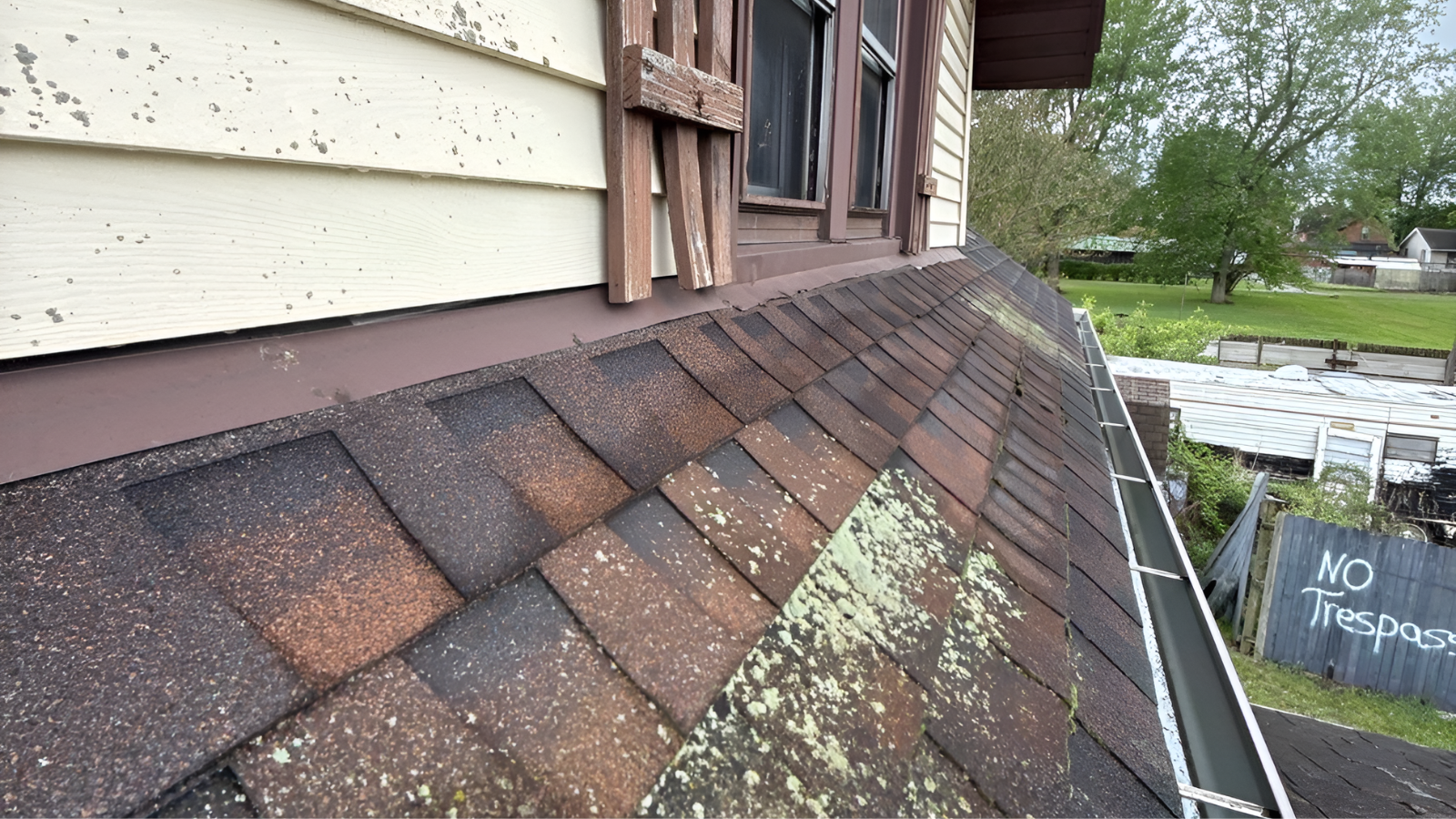
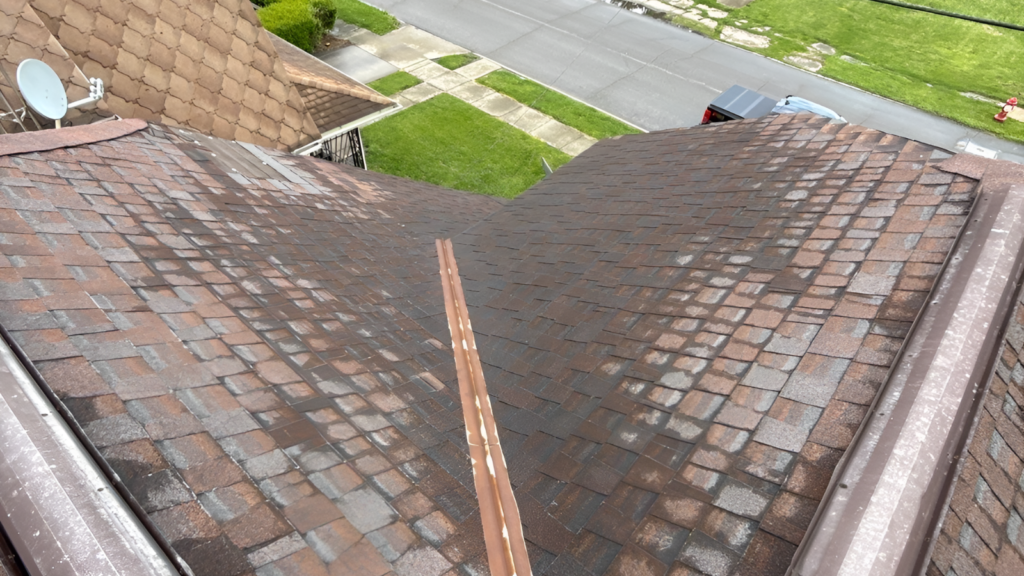
One of the clearest signs of aging is granule loss.
Shingles are coated with protective granules that shield them from UV rays and harsh weather. As they wear down, these granules begin to fall off—often ending up in your gutters.
If an aging shingles roof evaluation reveals heavy granule loss, it’s usually a sign your roof is nearing the end of its lifespan.
Testing Shingle Flexibility
Healthy shingles should be flexible enough to expand and contract with temperature changes.
As they age, they become brittle.
During an aging shingles roof evaluation, inspectors check how stiff the shingles have become. Brittle materials are more likely to crack during storms, making your roof vulnerable to leaks.
Flashing and Seal Inspection
Shingles aren’t the only thing protecting your roof.
Flashing—those metal pieces around chimneys, vents, and edges—plays a huge role in keeping water out.
A proper aging shingles roof evaluation includes checking:
- Loose or rusted flashing
- Worn sealants
- Gaps around roof penetrations
Even if your shingles look fine, damaged flashing can still lead to serious water intrusion.
Detecting Hidden Moisture Damage
Not all roof damage is visible from the outside.
That’s why an aging shingles roof evaluation often includes checking for signs of moisture, such as:
- Soft or sagging spots
- Water stains or discoloration
- Mold or mildew in the attic
Poor ventilation can also speed up shingle deterioration, so inspectors usually assess airflow as part of the process.
Uneven Wear Patterns
Roofs don’t always age evenly.
Some areas may deteriorate faster due to:
- Direct sun exposure
- Poor drainage
- Blocked gutters
- Ventilation issues
An aging shingles roof evaluation helps identify these problem spots early so they can be addressed before spreading.
Warning Signs You Shouldn’t Ignore
While professional inspections are key, there are a few things homeowners can watch for:
- Curling or buckling shingles
- Bald patches where granules are missing
- Dark streaks or stains
- Cracked or fragile shingles
- Debris buildup in gutters
If you notice any of these, it’s a smart move to schedule an aging shingles roof evaluation sooner rather than later.
How Long Should Your Roof Last?
Most asphalt shingle roofs last around 20 to 25 years.
However, factors like installation quality, maintenance, and local weather can shorten—or extend—that lifespan.
An aging shingles roof evaluation helps you understand exactly where your roof stands so you can plan ahead instead of reacting to emergencies.
Repair or Replace: What’s the Right Move?
One of the biggest advantages of a professional evaluation is clarity.
Not every aging roof needs to be replaced immediately.
- Minor wear → Routine maintenance
- Moderate damage → Targeted repairs
- Significant aging → Partial replacement
- Severe deterioration → Full replacement
A proper aging shingles roof evaluation removes the guesswork and helps you make the most cost-effective decision.
How to Slow Down Roof Aging
You can’t stop aging—but you can slow it down.
Most inspections come with practical recommendations like:
- Scheduling regular roof inspections
- Keeping gutters clean
- Improving attic ventilation
- Fixing minor damage early
These simple steps can add years to your roof’s life.
Why Homeowners Trust Whitt Roofing and Restoration
Mount Vernon homeowners rely on Whitt Roofing and Restoration because they understand local conditions and how they impact roofing systems.
Their approach is simple:
- Honest assessments
- No unnecessary upselling
- Practical, long-term solutions
Whether your roof needs a small repair or a full replacement, their aging shingles roof evaluation gives you the clarity you need to move forward confidently.
Final Thoughts
Your roof might look fine from the ground—but that doesn’t always tell the full story.
An aging shingles roof evaluation uncovers hidden issues, helps you avoid costly surprises, and gives you control over your home’s maintenance.
Waiting too long can turn minor wear into major repairs.