Many homeowners focus on insulation, windows, or HVAC systems when trying to reduce energy costs. But your roof plays an even bigger role than most people realize. Since the roof gets the most direct sunlight exposure, it can either trap heat inside your home or reflect it away.
Choosing the right energy-efficient roofing options can significantly reduce cooling costs in summer, improve indoor comfort, and even extend the life of your HVAC system. In hot climates, especially, the difference between a standard roof and an efficient one can mean hundreds of dollars saved every year.
If you’re planning a roof replacement or building a new home, understanding how energy-saving roofs work will help you make a smarter investment.
What Makes a Roof “Energy Efficient”?
Not all roofing materials perform the same. A roof becomes energy efficient based on how well it reflects sunlight and releases heat. There are three important concepts to understand:
Solar Reflectance Index (SRI)
SRI measures how much sunlight a roof reflects and how much heat it releases.
Higher SRI = cooler roof surface
Lower SRI = more heat absorption
Cool roofing materials like reflective metal roofing or cool asphalt shingles typically have high SRI ratings.
Thermal Emittance
Thermal emittance refers to how quickly a material releases absorbed heat. A roof with high thermal emittance cools down faster at night, helping maintain indoor comfort.
R-Value (Insulation Power)
R-value measures insulation effectiveness. Higher R-values mean better resistance to heat transfer. Roof systems with proper insulation combined with reflective materials provide the best energy performance.
When these factors work together, you get true energy-efficient roofing options that reduce energy consumption year-round.
Top 6 Energy-Efficient Roofing Options Compared
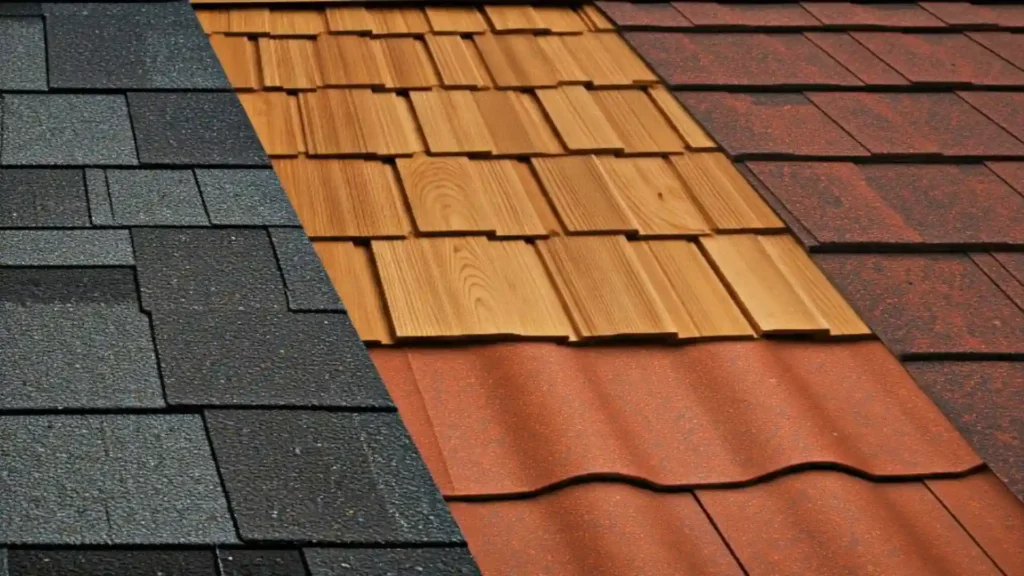
Here are some of the most popular roofing materials known for energy savings and performance.
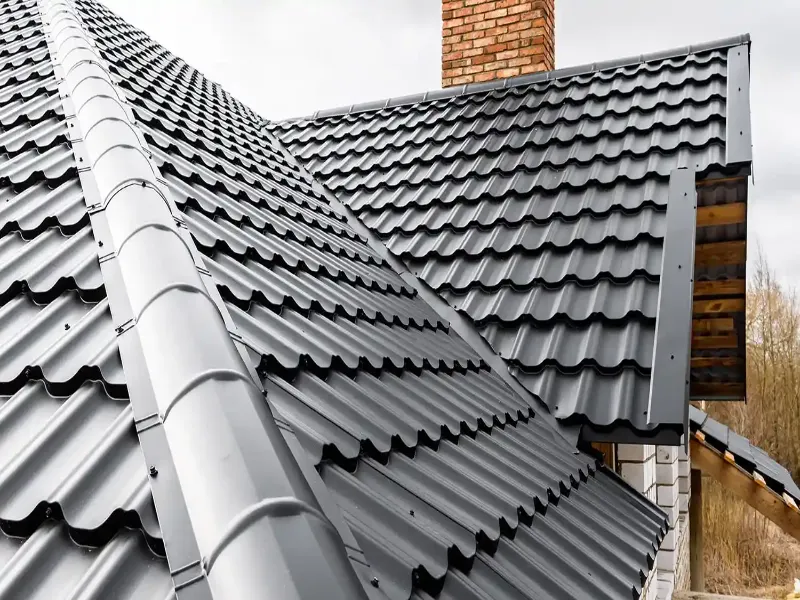
Metal Roofing
Metal roofs are one of the most energy-efficient choices available today. They reflect solar radiation instead of absorbing it, which keeps homes cooler.
Benefits:
High solar reflectivity
Long lifespan (40–70 years)
Lightweight and durable
Ideal for hot and sunny climates
Modern coatings make metal roofing energy efficiency even better by improving heat reflection.
Cool Asphalt Shingles
Traditional asphalt shingles absorb heat, but newer “cool roof shingles” use special granules to reflect sunlight.
Benefits:
Affordable compared to other options
Similar appearance to standard shingles
Improved energy performance
Easy installation
Cool roof shingles are popular because they balance cost and efficiency.
Clay & Concrete Tile
Clay and concrete tiles naturally create air circulation between the roof deck and surface, which reduces heat transfer.
Benefits:
Excellent durability
Natural insulation properties
Ideal for warm climates
Long lifespan (50+ years)
These tiles are often seen in Mediterranean or Spanish-style homes and perform well in hot regions.
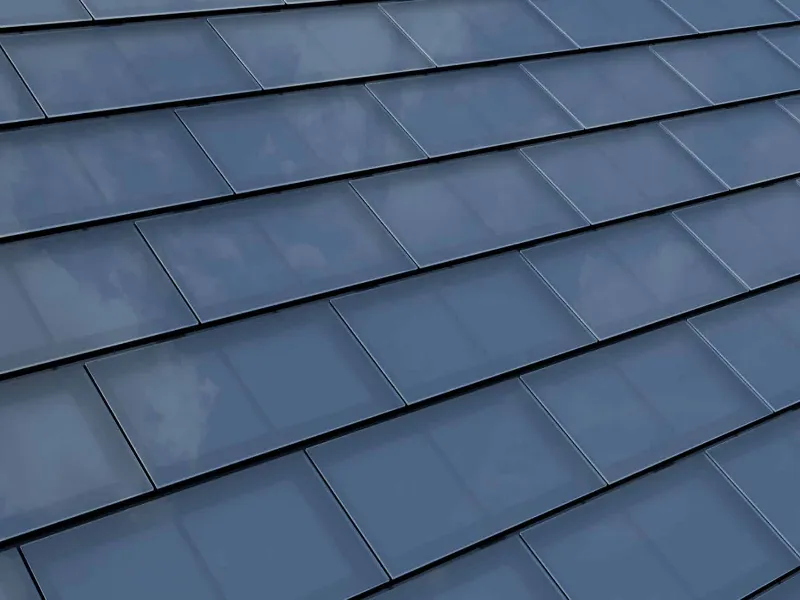
Solar Shingles
Solar shingles combine roofing material with solar energy generation. They produce electricity while protecting your home.
Benefits:
Reduces electricity bills
Modern appearance
Renewable energy source
Potential tax incentives
Solar roofing systems are one of the most advanced energy-efficient roofing options available today.
Slate Roofing
Slate is a natural stone material with excellent thermal resistance and durability.
Benefits:
Extremely long lifespan (75–100+ years)
Natural insulation
High-end appearance
While expensive, slate roofs offer long-term energy value and performance.
TPO Roofing (Best for Flat Roofs)
Thermoplastic Polyolefin (TPO) is commonly used on commercial buildings and modern homes with flat roofs.
Benefits:
Bright white reflective surface
Strong UV resistance
Lightweight
Energy efficient for large roof areas
TPO roofing is one of the best reflective roofing materials for flat or low-slope roofs.
Side-by-Side Comparison Table
| Roofing Type | Cost Range | Lifespan | SRI Rating | Best Climate |
|---|---|---|---|---|
| Metal Roofing | $$–$$$ | 40–70 yrs | High | Hot / Sunny |
| Cool Asphalt Shingles | $–$$ | 20–30 yrs | Medium | Moderate |
| Clay / Concrete Tile | $$$ | 50+ yrs | Medium–High | Warm |
| Solar Shingles | $$$$ | 25–30 yrs | High | Sunny |
| Slate Roofing | $$$$ | 75–100 yrs | Medium | All climates |
| TPO Roofing | $$ | 20–30 yrs | Very High | Hot / Flat roofs |
How to Choose the Right Option for Your Home
Not every roof works for every home. Choosing the best material depends on several factors:
Climate
Hot climates → Metal, TPO, cool shingles
Cold climates → Slate, asphalt with insulation
Mixed climates → Metal or tile
Budget
Budget-friendly → Cool asphalt shingles
Mid-range → Metal roofing
Premium → Slate or solar shingles
Roof Pitch (Slope)
Steep roofs → Shingles, metal, slate
Low slope → TPO or membrane roofing
Your contractor can help evaluate your home’s structure and recommend the most suitable energy-efficient roofing options.
ENERGY STAR & Cool Roof Rating Council: What to Look For
Two major organizations help homeowners identify energy-efficient roofing products:
ENERGY STAR®
ENERGY STAR certified roofing products meet strict energy performance standards. Choosing certified materials may also qualify for rebates or tax incentives.
Cool Roof Rating Council (CRRC)
CRRC provides performance data on solar reflectance and thermal emittance so homeowners can compare roofing products accurately.
When shopping for roofing materials, look for:
ENERGY STAR label
High SRI rating
Manufacturer efficiency data
Reflective coatings or pigments
These certifications help ensure you’re choosing proven energy-saving materials.
Final Thoughts
Your roof does more than protect your home; it directly impacts your comfort and energy bills. Investing in the right energy-efficient roofing options can lower cooling costs, improve indoor temperature stability, and increase property value.
If you’re unsure which material is best for your property, it’s always smart to contact us for a professional assessment. An expert evaluation can help you choose the right roofing system based on your home, climate, and long-term energy goals.
Join Our Community
Join our community on Facebook, and don’t forget to subscribe to us on YouTube for new content each week.
FAQs
1. What are energy-efficient roofing options?
Energy-efficient roofing options are materials designed to reflect sunlight and reduce heat absorption, helping lower energy bills and improve indoor comfort.
2. Which roofing material is most energy efficient?
Metal roofing and reflective TPO membranes are among the most energy-efficient materials due to their high solar reflectance and durability.
3. Do energy-efficient roofs really save money?
Yes. Energy-efficient roofs can reduce cooling costs by reflecting heat away from your home, lowering HVAC usage and energy expenses.
4. How do I choose the right energy-efficient roof?
Consider climate, budget, roof slope, and energy goals. A professional contractor can recommend the best option for your home.
5. Are energy-efficient roofs worth the investment?
Yes. They improve comfort, reduce energy bills, increase property value, and often last longer than traditional roofing materials.