Synthetic roof underlayment may not be the first thing that comes to mind when you’re considering a roof replacement, but what if it’s actually the most important part of your entire roofing system? When severe storms roll through Mount Vernon, high winds lift shingles, or winter ice dams begin forming, what stands between your home and costly water damage? Most homeowners focus on the shingles they can see, yet the layer underneath often provides the protection that truly matters when the weather turns ugly. If you’ve ever wondered why some roofs last longer and perform better than others, the answer may be hidden beneath the shingles.
What Is Synthetic Roof Underlayment?
Before understanding why it matters, it helps to know exactly what underlayment does.
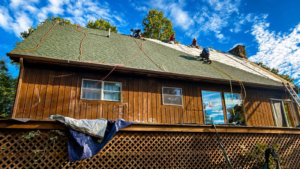
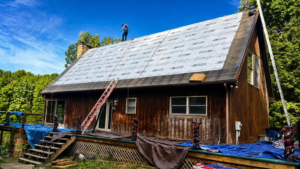
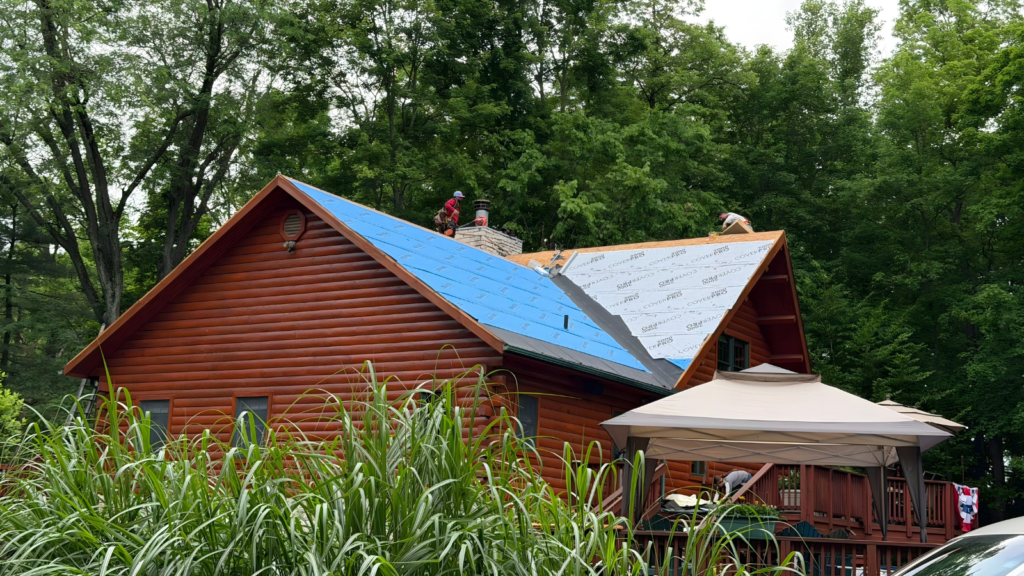
Roof underlayment is a protective barrier installed between the roof decking and the shingles. It acts as a secondary layer of defense against water penetration if moisture gets beneath the roofing materials.
Years ago, asphalt felt paper was the standard option. However, modern roofing systems increasingly use synthetic roof underlayment because it offers superior performance, greater durability, and enhanced moisture resistance.
This advanced roofing material is engineered to withstand the challenges that Ohio weather regularly presents.
Why Shingles Are Only Part of the Story
Many homeowners assume shingles are completely waterproof. In reality, shingles are designed primarily to shed water, not stop every drop from reaching the layers beneath.
During severe weather events, water can find its way under shingles through:
- Wind-driven rain
- Ice dams
- Storm damage
- Hail impacts
- Aging roofing materials
When that happens, synthetic roof underlayment becomes the critical barrier protecting the roof decking and interior structure.
Without quality underlayment, even minor roof damage can quickly become a costly repair project.
Ohio Weather Demands More Than Basic Protection
Living in Mount Vernon means your roof must withstand a variety of weather conditions throughout the year.
Homeowners regularly experience:
- Heavy spring rain
- Summer thunderstorms
- Strong wind events
- Hail storms
- Snow accumulation
- Freeze-thaw cycles
Each season creates unique challenges for roofing systems.
Because synthetic roof underlayment is designed to perform under extreme conditions, it offers an added level of security that traditional felt often cannot match.
For Ohio homeowners, that additional protection can make a significant difference over the life of the roof.
Superior Moisture Protection
Water is one of the most destructive forces a roof can face.
Once moisture penetrates beneath the roofing surface, it can lead to:
- Mold growth
- Wood rot
- Decking deterioration
- Insulation damage
- Ceiling stains
- Structural concerns
One of the biggest advantages of synthetic roof underlayment is its ability to resist moisture infiltration far better than older underlayment products.
If shingles are damaged or temporarily displaced during a storm, the underlayment continues protecting your home until repairs can be completed.
This extra layer of defense helps prevent minor roofing issues from becoming major restoration projects.
Stronger Than Traditional Felt
Durability is another area where modern underlayment excels.
Traditional felt products can wrinkle, tear, absorb moisture, and deteriorate over time. In contrast, synthetic roof underlayment is engineered for strength and long-term reliability.
Benefits include:
- Improved tear resistance
- Better dimensional stability
- Enhanced UV resistance
- Reduced moisture absorption
- Longer service life
These qualities help roofing systems maintain their integrity even during challenging weather conditions.
Better Protection for Roof Decking
The roof decking serves as the structural foundation of the roofing system.
Once water reaches this layer, significant problems can develop.
A properly installed synthetic roof underlayment helps shield the decking from moisture exposure and extends the overall life of the roofing structure.
This protection is especially important because decking damage often remains hidden until repairs become extensive and expensive.
Protecting the layers beneath the shingles ultimately protects the entire home.
Improved Performance During Roof Installation
Homeowners may not realize it, but underlayment also plays an important role during the installation process.
Many synthetic products come in larger rolls, allowing roofing crews to cover more area efficiently.
Advantages include:
- Faster installation
- Fewer seams
- Better coverage consistency
- Improved worker safety
- Reduced jobsite damage
These installation benefits help contribute to a more reliable roofing system from the very beginning.
Added Defense Against Ice Dams
Ohio winters often bring snow accumulation and freezing temperatures.
As snow melts and refreezes near roof edges, ice dams can form and trap water behind them. This water may eventually work its way beneath shingles.
When that occurs, synthetic roof underlayment acts as a secondary barrier that helps reduce the risk of leaks and water damage.
Combined with proper attic ventilation and insulation, underlayment plays a major role in winter roof performance.
Long-Term Value for Homeowners
While many homeowners initially focus on roofing costs, long-term value often matters more.
Investing in synthetic roof underlayment may help reduce the likelihood of:
- Leak repairs
- Mold remediation
- Deck replacement
- Water damage restoration
- Structural repairs
Over time, those avoided expenses can significantly outweigh the initial upgrade cost.
A quality roofing system isn’t just about appearance. It’s about protecting your home for decades.
Why Professional Roofers Recommend Synthetic Underlayment
Experienced roofing contractors understand that roofing performance depends on every layer working together.
A complete roofing system includes:
- Roof decking
- Underlayment
- Ice and water shield
- Flashing
- Ventilation
- Shingles
When one component fails, the entire system becomes vulnerable.
That is why many professionals recommend synthetic roof underlayment as a critical part of a durable, weather-resistant roofing system.
The Best Roof Protection Is Often Hidden
When homeowners look at a finished roof, they naturally notice the shingles. Yet some of the most important protection is hidden beneath the surface. A properly installed synthetic roof underlayment provides enhanced moisture resistance, increased durability, better storm protection, and greater peace of mind for homeowners throughout Mount Vernon and surrounding Ohio communities.
As architect Ludwig Mies van der Rohe famously said, “God is in the details.” When it comes to protecting your home, the hidden details beneath your shingles may be the very reason your roof stands strong through years of Ohio weather.