When your roof suddenly starts leaking during a storm, it’s natural to want a quick solution. Temporary fixes can feel like a lifesaver in the moment—but many homeowners don’t fully understand temporary roof repair limitations and how they affect long-term protection.
What Are Temporary Roof Repairs?
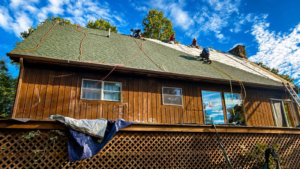
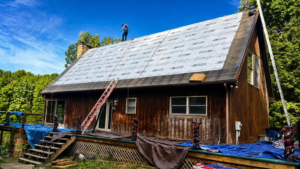
Temporary roof repairs are short-term solutions designed to reduce immediate damage. These include roof tarping, sealing leaks, or patching visible holes until permanent work can be completed.
However, temporary roof repair limitations mean these fixes are not designed to restore full strength or durability. They simply stabilize the situation for a short period.
Many homeowners misunderstand temporary roof repair limitations and assume the issue has been fully resolved—when it hasn’t.
Why Temporary Roof Repair Limitations Matter
One of the biggest risks is the false sense of security these fixes create. A tarp or patch may stop water from entering your home, but it doesn’t address the root problem.
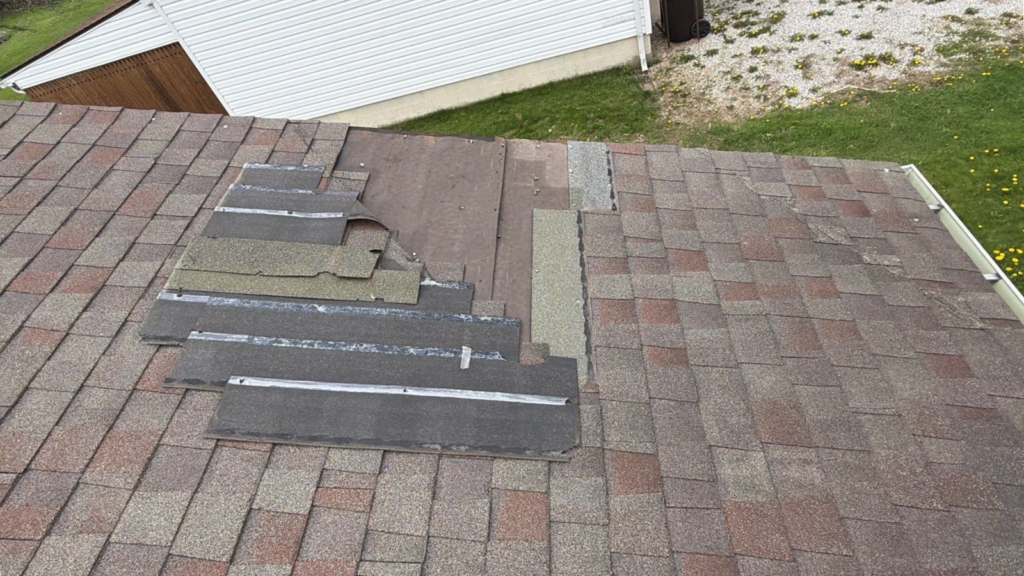
Because of temporary roof repair limitations, underlying issues like damaged shingles, weakened decking, or trapped moisture can continue to worsen unnoticed.
Ignoring temporary roof repair limitations often leads to more serious problems such as mold growth, structural damage, and higher repair costs.
What Temporary Repairs Can Do
Despite their limits, these solutions still play an important role—especially in emergencies.
They can:
- Stop immediate water intrusion
- Protect your home during heavy rain
- Reduce interior damage
- Buy time until permanent repairs are scheduled
These benefits are valuable, but they also highlight temporary roof repair limitations—they’re not meant for long-term performance.
What Temporary Repairs Cannot Do
This is where homeowners often get caught off guard.
Due to temporary roof repair limitations, these fixes cannot:
- Replace damaged roofing materials
- Fully restore waterproof protection
- Fix structural issues
- Prevent long-term deterioration
- Detect or resolve hidden moisture damage
Understanding these temporary roof repair limitations is key to making the right decisions for your home.
Common Misunderstandings About Temporary Roof Repair Limitations
Many homeowners believe that once a leak stops, the problem is gone. This is one of the most common misconceptions about temporary roof repair limitations.
A tarp might look secure, but weather conditions like wind, rain, and heat can quickly weaken it. Over time, water can still find its way in.
Another misunderstanding is thinking these fixes can last for months. In reality, temporary roof repair limitations mean they are only reliable for short-term emergency use.
Risks of Relying Too Long on Temporary Repairs
Failing to act beyond a temporary fix can lead to serious consequences.
Because of temporary roof repair limitations, you risk:
- Hidden water damage behind walls
- Mold growth in attic spaces
- Rotting roof decking
- Increased repair costs
- Full roof replacement instead of minor repairs
We’ve seen many cases where homeowners relied too long on temporary fixes without understanding temporary roof repair limitations, leading to avoidable damage.
When Temporary Repairs Are Appropriate
Even with their drawbacks, temporary repairs still have their place.
They are useful when:
- A storm causes sudden roof damage
- There is an active leak during heavy rain
- You’re waiting for insurance approval
- Scheduling delays prevent immediate repairs
In these cases, temporary roof repair limitations are acceptable—as long as they are followed by permanent solutions.
Why Permanent Repairs Are Always Necessary
Temporary fixes are only the first step. To fully protect your home, the root cause of the problem must be addressed.
Because of temporary roof repair limitations, even small issues can escalate quickly if left untreated. What starts as a minor leak can turn into major structural damage over time.
That’s why professional inspection and repair are critical after any temporary solution.
How Whitt Roofing Handles Temporary Repairs
At Whitt Roofing and Restoration, we treat temporary fixes as part of a complete solution—not the final answer.
Our process includes:
- Immediate emergency protection
- Thorough roof inspection
- Identifying hidden damage
- Planning permanent repair or replacement
We make sure homeowners understand temporary roof repair limitations so they can make informed decisions and avoid future problems.
How to Avoid Over-Reliance on Temporary Repairs
To protect your home, follow these steps:
- Schedule a professional inspection immediately
- Avoid delaying permanent repairs
- Monitor your roof after storms
- Understand temporary roof repair limitations clearly
These simple actions can prevent minor issues from becoming major expenses.
Final Thoughts
If your roof has been patched or tarped, don’t wait. Take the next step and ensure your roof is properly repaired.