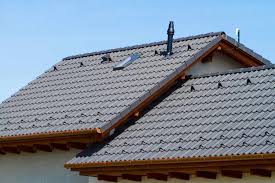
A roof is one of the most important structural components of any home. It protects the interior of the house from rain, wind, snow, and harsh weather conditions while helping regulate indoor temperatures and maintain structural integrity. Over time, however, even the most durable roofing systems begin to show signs of wear.
When repairs are no longer sufficient, homeowners must begin considering a new roof installation. While the process may seem overwhelming at first, selecting the right roofing materials and working with experienced professionals can make the transition smooth and beneficial for your home.
For homeowners in Marengo and Mount Vernon, Ohio, choosing the right roofing materials is especially important due to the region’s seasonal weather patterns. Heavy snowfall in winter, spring storms, summer heat, and autumn winds all place stress on roofing systems. The right materials can help your roof withstand these conditions while improving energy efficiency and curb appeal.
This comprehensive guide will walk you through the key factors involved in new roof installation, explore the most popular roofing materials available today, and explain how selecting the right option can protect your home and increase its value.
When to Consider a New Roof Installation
Before choosing roofing materials, it’s important to understand when a new roof installation becomes necessary. While minor roof repairs can address small issues, there are times when replacement is the most cost-effective solution.
Recognizing these warning signs can help homeowners make informed decisions before serious damage occurs.
Age of the Roof
Most residential roofing systems have a limited lifespan. Asphalt shingle roofs typically last between 20 and 30 years, while metal and premium materials may last even longer.
If your roof is approaching the end of its expected lifespan, it may be time to consider a new roof installation to prevent unexpected leaks or structural issues.
Frequent Roof Repairs
If you find yourself constantly scheduling roof repairs, it may indicate that the roofing system is nearing the end of its life.
Repeated repairs can add up quickly and may ultimately cost more than replacing the roof entirely. A new roof installation can provide long-term protection and eliminate the need for ongoing patchwork repairs.
Visible Roof Damage
Homeowners should also watch for visible signs of roof deterioration such as:
- Missing or cracked shingles
- Curling or buckling shingles
- Granules accumulating in gutters
- Sagging roof sections
- Water stains on ceilings
These signs suggest that the roofing system may be compromised and could benefit from a new roof installation.
Storm Damage
Severe storms can cause extensive damage to roofing materials. High winds, hail, and falling debris may weaken the roof structure and lead to leaks.
In some cases, insurance companies may recommend or approve a new roof installation if storm damage is severe.
Improving Energy Efficiency
Older roofs often lack modern insulation and ventilation systems. Upgrading to a new roof installation with energy-efficient materials can improve temperature regulation and reduce heating and cooling costs.
For many homeowners, replacing the roof becomes an opportunity to improve both performance and comfort.
Popular Roofing Materials for New Roof Installation
One of the most important decisions homeowners make during a new roof installation is selecting the right roofing material. Different materials offer varying levels of durability, appearance, maintenance requirements, and cost.
Understanding the strengths of each option can help you choose the best solution for your home.
Asphalt Shingles
Asphalt shingles are the most common roofing material used in residential construction throughout the United States. They are widely popular due to their affordability, durability, and versatility.
Advantages of asphalt shingles include:
- Cost-effective installation
- Wide variety of colors and styles
- Reliable performance in various climates
- Relatively simple repairs
Architectural asphalt shingles, a more advanced version of traditional shingles, offer improved durability and enhanced curb appeal.
Many homeowners choose asphalt shingles for new roof installation because they balance affordability with long-lasting protection.
Metal Roofing
Metal roofing has become increasingly popular in recent years due to its durability and modern appearance.
Metal roofing systems can last between 40 and 70 years when properly installed. They are also highly resistant to wind, fire, and extreme weather conditions.
Benefits of metal roofing include:
- Long lifespan
- Energy efficiency through reflective surfaces
- Minimal maintenance requirements
- Strong resistance to storms
Although metal roofing may require a higher upfront investment, it can provide long-term value for homeowners considering a new roof installation.
Wood Shingles and Shakes
Wood roofing materials offer a natural and rustic appearance that appeals to many homeowners. Cedar shakes and shingles are particularly popular for homes seeking a traditional aesthetic.
Advantages of wood roofing include:
- Unique visual appeal
- Natural insulation properties
- Eco-friendly materials
However, wood roofing requires more maintenance and may be more vulnerable to moisture and fire compared to other materials.
For homeowners interested in a distinctive look, wood materials may be an option to consider during new roof installation.
Synthetic Roofing Materials
Synthetic roofing materials are designed to replicate the appearance of natural materials such as slate or wood while offering improved durability and lower maintenance.
These materials are lightweight, weather-resistant, and often easier to install.
Synthetic roofing systems are becoming increasingly popular for new roof installation projects because they combine aesthetics with modern performance.
Factors to Consider When Choosing Roofing Materials
Selecting the best materials for new roof installation involves more than simply choosing the most visually appealing option. Several factors should be considered to ensure the roof performs well for years to come.
Climate and Weather Conditions
Weather conditions in Ohio can be unpredictable. Roofing materials must withstand snow, ice, heavy rain, and strong winds.
Durable materials such as architectural shingles or metal roofing often perform well in regions with seasonal weather fluctuations.
Roof Pitch and Structure
The slope of your roof can influence which materials are suitable for installation. Some roofing systems perform better on steep slopes, while others are designed for lower pitches.
Professional roofing contractors can evaluate your roof’s structure and recommend materials that work best for your home.
Budget and Long-Term Value
While upfront costs are important, homeowners should also consider long-term value when planning a new roof installation.
A lower-cost material may require replacement sooner, while a higher-quality option could provide decades of protection.
Balancing initial investment with durability helps homeowners make the best financial decision.
Maintenance Requirements
Some roofing materials require more maintenance than others.
For example:
- Wood shingles may require periodic treatment and inspections
- Asphalt shingles require occasional repairs
- Metal roofs typically require minimal maintenance
Choosing a material that fits your maintenance preferences can make owning your roof more convenient.
Energy Efficiency
Energy-efficient roofing materials can help regulate indoor temperatures and reduce energy consumption.
Reflective roofing surfaces and proper ventilation systems can significantly improve home efficiency.
Many homeowners choose energy-efficient materials when planning a new roof installation.
The New Roof Installation Process
Understanding what to expect during a new roof installation can help homeowners feel more prepared for the project.
Professional roofing contractors follow a series of steps to ensure the roof is installed properly and performs well for years to come.
Roof Inspection and Planning
The process typically begins with a detailed inspection of the existing roof. Roofing professionals assess the condition of the structure, decking, and ventilation system.
This evaluation helps determine the best materials and installation approach.
Removing the Old Roof
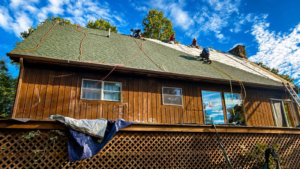
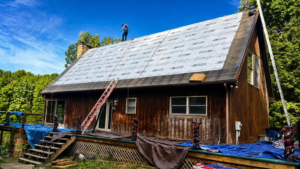
Before installing new materials, the old roofing system must be removed. This process involves stripping away shingles and underlayment to expose the roof deck.
Removing the old roof allows contractors to inspect the decking and address any structural concerns.
Repairing the Roof Deck
If the roof deck shows signs of rot or damage, repairs are performed before continuing the new roof installation.
A strong roof deck provides a solid foundation for the new roofing system.
Installing Underlayment and Flashing
Protective underlayment materials are installed to create a moisture barrier between the roof deck and roofing materials.
Flashing is also installed around chimneys, vents, and valleys to prevent water intrusion.
Installing Roofing Materials
Once preparation is complete, the chosen roofing materials are installed according to manufacturer specifications.
Proper installation ensures the roofing system performs effectively and withstands weather conditions.
Final Inspection
After the new roof installation is completed, roofing professionals conduct a final inspection to verify that all components have been installed correctly.
This final step ensures the roof is ready to protect the home for many years.
Why Homeowners in Marengo and Mount Vernon Choose Whitt Roofing & Restoration
When planning a new roof installation, choosing the right roofing contractor is just as important as selecting the right materials. Homeowners in Marengo and Mount Vernon trust Whitt Roofing & Restoration for reliable roofing services and expert craftsmanship.
Experienced Roofing Professionals
The team at Whitt Roofing & Restoration has extensive experience working with residential roofing systems across central Ohio.
Their knowledge allows them to recommend the best materials for new roof installation based on local climate conditions and homeowner preferences.
Comprehensive Roof Inspections
Before beginning any roofing project, the team performs a detailed inspection of the existing roof structure.
This thorough evaluation ensures that every new roof installation is built on a strong foundation.
High-Quality Roofing Materials
Whitt Roofing & Restoration works with durable, industry-trusted materials designed to withstand Ohio’s changing weather conditions.
These materials provide long-lasting protection and improved energy efficiency.
Professional Installation
Proper installation is essential for maximizing the lifespan of a roof. The experienced installers at Whitt Roofing & Restoration follow proven techniques to ensure every new roof installation meets high standards of quality.
Customer-Focused Service
Homeowners appreciate the transparency, professionalism, and reliability that Whitt Roofing & Restoration brings to every project.
Their goal is to provide roofing solutions that protect homes and give homeowners peace of mind.
Choosing the Right Roof for Your Home
A new roof installation is one of the most important investments homeowners can make. The right roofing materials protect your home from the elements, improve energy efficiency, and enhance the appearance of your property.
By carefully considering material options, climate conditions, and long-term value, homeowners can select a roofing system that meets their needs and provides reliable protection for decades.
For homeowners in Marengo and Mount Vernon, Ohio, working with experienced professionals like Whitt Roofing & Restoration ensures that every new roof installation is completed with precision and care. Contact us today for an inspection.
With expert guidance, high-quality materials, and professional craftsmanship, your new roof can provide lasting protection and increase the value of your home for years to come.