For any commercial property, the roof is not just another structural component; it is one of the most important investments you will make in your building. A well-planned commercial roof installation protects your assets, employees, inventory, and business operations from weather damage, leaks, and costly interruptions.
Many business owners underestimate the long-term financial impact of roofing decisions. A poor installation can lead to frequent repairs, energy inefficiency, structural damage, and even insurance complications. On the other hand, a professionally installed commercial roof provides durability, energy savings, and long-term peace of mind.
Whether you’re constructing a new commercial facility or replacing an aging roof, understanding the installation process, materials, costs, and contractor selection is essential to making the right decision. This comprehensive guide will walk you through everything you need to know.
What Is Commercial Roof Installation? (vs. Residential Roofing)
Commercial roof installation refers to the design, preparation, and installation of roofing systems specifically engineered for commercial or industrial buildings. These include office buildings, warehouses, retail centers, hospitals, schools, and manufacturing facilities.
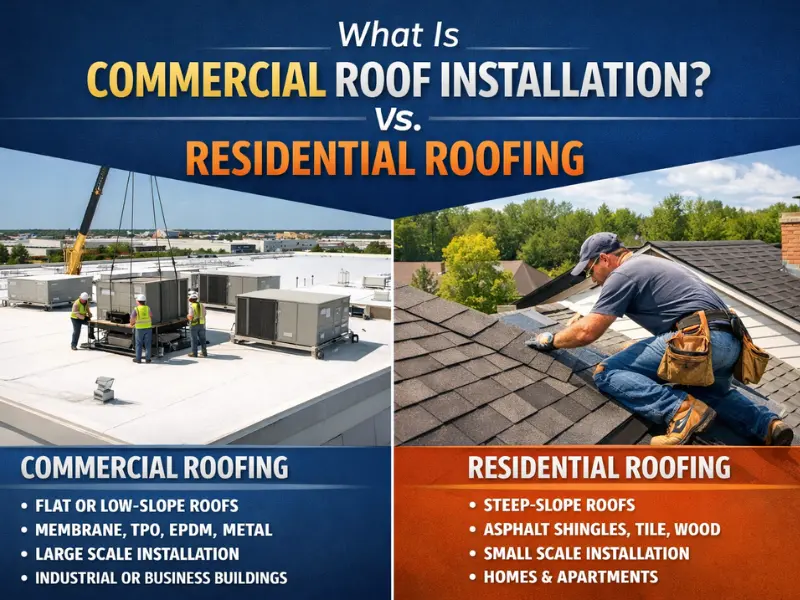
Commercial roofs differ significantly from residential roofs in several ways:
Structural Differences
Most residential roofs have steep slopes, while commercial roofs are typically flat or low-slope. This affects drainage, materials, and installation techniques.
Material Differences
Commercial buildings often require industrial-grade membranes such as TPO, PVC, EPDM, or modified bitumen, while residential roofs commonly use shingles or tiles.
Installation Complexity
Commercial projects involve larger surface areas, HVAC equipment, drainage systems, and structural load considerations. This requires specialized expertise and equipment.
Regulatory Requirements
Commercial roofing projects must meet strict building codes, safety regulations, and manufacturer standards to qualify for warranties.
Because of these complexities, commercial roofing requires experienced contractors trained specifically in commercial systems not just residential roofing professionals.
Types of Commercial Roofing Systems
Choosing the right roofing system is one of the most critical decisions during a commercial roof installation project. Each material has its own advantages, lifespan, and cost range.
Below are the most commonly used commercial roofing systems today.
TPO Roofing (Thermoplastic Polyolefin)
TPO roofing has become one of the most popular choices for commercial buildings due to its balance of affordability and performance.
Key benefits include:
Energy-efficient reflective surface
Resistance to UV rays and chemicals
Flexible material that handles temperature changes well
Heat-welded seams for strong waterproofing
Lightweight installation
TPO is often chosen for retail centers, office buildings, and warehouses looking to reduce cooling costs.
PVC Roofing Systems
PVC membranes are known for durability and chemical resistance, making them ideal for restaurants and industrial facilities.
Advantages include:
Exceptional waterproof protection
Strong seam welding for leak prevention
Fire-resistant material
High resistance to grease and chemicals
Long service life
PVC is commonly used in buildings with rooftop equipment or exposure to harsh conditions.
EPDM Rubber Roofing
EPDM is a synthetic rubber roofing membrane widely used in commercial applications for decades.
Benefits include:
Affordable installation cost
Proven long-term performance
Excellent flexibility in extreme temperatures
Resistance to weather damage
Easy repairs and maintenance
EPDM is often selected for large industrial buildings and warehouses due to its cost efficiency.
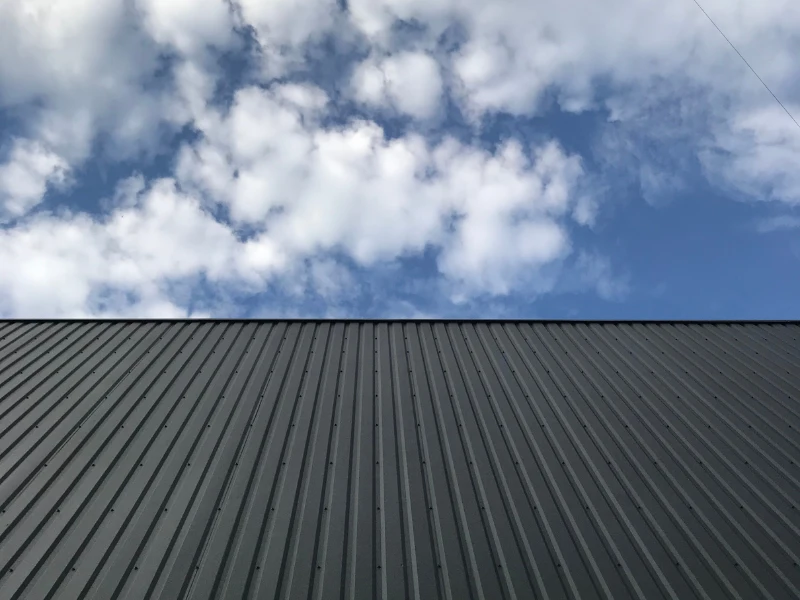
Metal Commercial Roofing
Metal roofing systems are among the most durable options available for commercial properties.
Benefits include:
Lifespan of 40 to 70 years
Strong resistance to weather and fire
Energy efficiency through reflective coatings
Minimal maintenance requirements
Modern architectural appearance
Metal roofing is ideal for facilities seeking long-term durability and sustainability.
Modified Bitumen Roofing
Modified bitumen is an asphalt-based multi-layer roofing system designed for flat or low-slope roofs.
Advantages include:
Excellent waterproofing performance
Multi-layer protection for durability
Strong resistance to punctures
Reliable performance in extreme weather
Cost-effective for many buildings
This system is often used in schools, hospitals, and government buildings.
How the Roof Installation Process Works
A professional roof installation follows a structured process to ensure safety, durability, and compliance with industry standards.
Initial Inspection and Evaluation
Contractors assess:
Structural integrity of the building
Existing roofing materials
Insulation condition
Drainage systems
Roof slope and design
Code requirements
This step ensures the installation plan is accurate and safe.
Design and Material Selection
The contractor works with the building owner to choose the best roofing system based on:
Budget
Climate conditions
Energy efficiency goals
Building usage
Expected lifespan
Maintenance requirements
Proper planning at this stage prevents costly problems later.
Roof Preparation
Preparation may include:
Removing the old roof
Repairing damaged decking
Installing vapor barriers
Adding insulation layers
Preparing drainage systems
Reinforcing structural components
This stage is critical to the long-term performance of the roof.
Installation of Roofing System
The chosen roofing material is installed according to manufacturer guidelines.
This may involve:
Membrane placement
Mechanical fastening or adhesion
Heat-welding seams
Installing flashing and edges
Waterproof sealing
Installing protective coatings
Precision during installation directly affects durability.
Final Inspection and Quality Assurance
After installation, contractors perform a full inspection to ensure:
Proper sealing and waterproofing
Drainage functionality
Structural integrity
Code compliance
Warranty eligibility
Some projects may also include third-party inspections.
How Long Does Roof Installation Take?
The timeline for commercial roof projects varies depending on multiple factors.
Key Factors Affecting Timeline
Building size
Roofing material type
Weather conditions
Structural repairs required
Crew size and equipment
Accessibility of the roof
Project complexity
Typical Installation Timeframes
Small commercial buildings: 1–3 days
Medium commercial buildings: 3–7 days
Large industrial facilities: 1–3 weeks or more
Proper planning and experienced contractors can significantly reduce project delays.
How Much Does Commercial Roof Replacement Cost?
The cost of Commercial roof replacement depends on many variables, including materials, labor, and building conditions.
Major Cost Factors
Roofing material type
Roof size and complexity
Labor costs
Insulation requirements
Removal of the existing roof
Structural repairs
Accessibility and equipment
Warranty options
Average Cost Per Square Foot
Estimated ranges:
-
TPO Roofing: $5 – $10 per sq ft
-
EPDM Roofing: $4 – $9 per sq ft
-
PVC Roofing: $6 – $12 per sq ft
-
Modified Bitumen: $4 – $8 per sq ft
-
Metal Roofing: $8 – $18+ per sq ft
While upfront costs may vary, investing in high-quality materials often reduces long-term maintenance expenses and energy costs.
Benefits of Professional Commercial Roof Installation
Investing in a professional installation offers significant advantages.
Improved Energy Efficiency
Modern roofing systems reflect heat and improve insulation, reducing energy bills.
Long-Term Durability
Proper installation extends the lifespan of roofing materials.
Reduced Maintenance Costs
High-quality installation minimizes repairs and leaks.
Enhanced Property Value
A new roof increases the market value of commercial properties.
Safety and Compliance
Professional contractors ensure compliance with building codes and safety standards.
How to Choose the Right Commercial Roofing Contractor
Choosing the right contractor is one of the most important decisions for your project.
Look for These Qualifications
Licensed and insured company
Experience with commercial projects
Manufacturer certifications
Strong reputation and reviews
Safety training and compliance
Transparent pricing and contracts
Warranty options
Questions to Ask Contractors
-
How many commercial projects have you completed?
-
What roofing systems do you specialize in?
-
Do you offer warranties?
-
What is your project timeline?
-
Can you provide references?
A reliable contractor will provide detailed proposals and clear communication.
Maintenance After Commercial Roof Replacement
Proper maintenance extends the lifespan of your roof significantly.
Recommended maintenance includes:
-
Annual inspections
-
Cleaning debris and drains
-
Checking seams and flashing
-
Repairing minor damage quickly
-
Monitoring rooftop equipment areas
Preventive maintenance reduces long-term costs and protects warranties.
Signs You Need a New Commercial Roof
If you notice these warning signs, it may be time to consider a replacement:
-
Frequent leaks
-
Ponding water
-
Cracked or damaged membrane
-
Rising energy bills
-
Mold or moisture inside the building
-
An aging roof beyond its lifespan
-
Structural sagging
Ignoring these signs can lead to expensive structural damage.