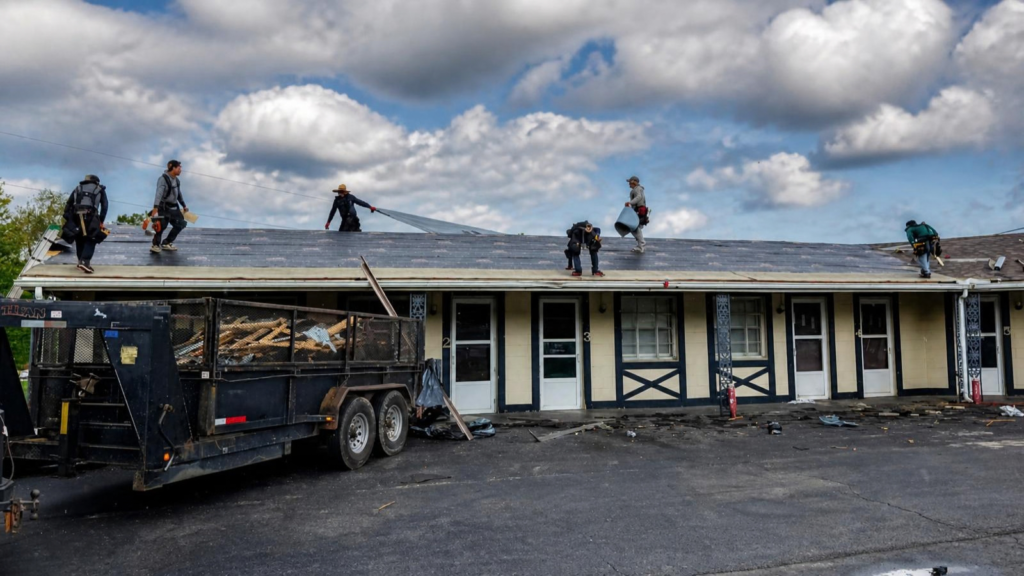
What happens when one roofing problem affects not just one family, but several tenants, multiple units, and an entire investment property? How do you replace or repair a roof without disrupting residents, losing rental income, or overlooking hidden damage that could become more expensive later? For property owners in Mount Vernon, multi-unit roofing Ohio projects require more planning than a typical single-family roof. The right approach can protect your building, your tenants, and your long-term investment while helping you avoid costly surprises during installation.
Multi-Unit Roofing Requires a Bigger-Picture Approach
A single-family roof usually has one homeowner making decisions.
A multi-unit property may involve tenants, property managers, investors, maintenance teams, or even an association.
That means multi-unit roofing Ohio projects need a clear plan before work begins.
Important considerations may include:
- Building size
- Number of units
- Roof design
- Tenant access
- Parking areas
- Material deliveries
- Debris removal
- Work hours
- Emergency procedures
The more organized the project is from the beginning, the easier it becomes to keep the property operating smoothly.
Start With a Thorough Roof Inspection
Before making repair or replacement decisions, property owners should understand the actual condition of the roofing system.
A professional inspection can evaluate:
- Shingle or membrane condition
- Flashing
- Roof penetrations
- Drainage
- Roof decking
- Ventilation
- Previous repairs
- Storm damage
For multi-unit roofing Ohio properties, this evaluation is especially important because a leak over one unit may originate several feet away.
Water can travel through decking, insulation, and shared structural areas before becoming visible inside an apartment.
Finding the true source helps prevent repeated repairs.
Do Not Wait for Multiple Tenants to Report Leaks
One of the most expensive mistakes property owners make is treating the first leak as an isolated problem without evaluating the rest of the roof.
If several units are under the same aging roofing system, similar weaknesses may exist elsewhere.
A small repair today may solve one problem while another section begins failing next month.
That is why preventative maintenance should be part of every multi-unit roofing Ohio strategy.
Instead of waiting for tenant complaints, routine roof inspections allow property owners to identify developing problems before they interrupt multiple households.
Choose Roofing Materials With Long-Term Costs in Mind
Upfront price matters, but it should not be the only consideration.
Property owners should evaluate:
- Expected lifespan
- Maintenance requirements
- Weather resistance
- Repair frequency
- Energy performance
- Warranty coverage
Asphalt shingles may work well for certain multi-family properties, while metal roofing or low-slope commercial roofing systems may be better suited to others.
The best multi-unit roofing Ohio solution depends on the design of the building and your long-term ownership plans.
A slightly higher initial investment may make sense if it reduces repairs and replacement frequency over many years.
Tenant Communication Can Make or Break the Project
Roof replacement is noisy.
There will be crews, materials, equipment, and temporary changes around the property.
Tenants should know what to expect before work starts.
Provide advance notice about:
- Project dates
- Expected work hours
- Parking restrictions
- Noise
- Building access
- Safety areas
Clear communication helps reduce frustration and gives residents time to make arrangements.
For multi-unit roofing Ohio projects, keeping tenants informed can be just as important as selecting the roofing material itself.
Plan Carefully Around Parking and Property Access
Multi-family properties often have limited space.
Roofing crews may need areas for:
- Dumpsters
- Material staging
- Delivery vehicles
- Ladders
- Equipment
If parking spaces or entrances need to be temporarily restricted, those details should be planned in advance.
The goal is to keep residents safe while allowing contractors enough room to complete the work efficiently.
Good site planning can reduce project delays and minimize disruption.
Drainage Needs Special Attention
Water management is critical on any building, but problems can become much more expensive on larger properties.
Gutters, downspouts, drains, and low-slope roof systems must move water away efficiently.
During a multi-unit roofing Ohio project, contractors should evaluate whether the existing drainage system is performing properly.
Watch for:
- Standing water
- Overflowing gutters
- Damaged downspouts
- Ponding on low-slope areas
- Water stains along exterior walls
Poor drainage can shorten roof life and cause damage to siding, foundations, landscaping, and interior units.
Ventilation Still Matters on Multi-Family Buildings
Roofing materials are only part of the system.
Attic ventilation and insulation can affect how the roof performs over time.
Poor airflow may contribute to:
- Excessive attic heat
- Condensation
- Moisture buildup
- Decking deterioration
- Premature shingle wear
For multi-unit roofing Ohio properties with attic spaces, ventilation should be evaluated during roof replacement or major repairs.
Solving airflow problems while the roof is already being worked on can prevent future damage.
Documentation Is Especially Important
Property owners should maintain detailed roofing records.
Keep:
- Inspection reports
- Photos
- Repair history
- Warranty information
- Material specifications
- Contractor invoices
- Storm damage documentation
These records can be useful for future maintenance, insurance discussions, property sales, and budgeting.
A well-documented multi-unit roofing Ohio history also helps future contractors understand what work has already been completed.
Consider the Impact of Storm Damage
Ohio weather can be demanding.
High winds, hail, heavy rain, snow, and ice can affect large roofing surfaces quickly.
After a significant storm, do not rely solely on what can be seen from the parking lot.
Wind may loosen shingles without removing them completely, while hail can damage roofing materials in ways that are difficult to identify from the ground.
A professional multi-unit roofing Ohio inspection after severe weather can help document damage early and identify areas that need attention before leaks develop.
Repairs or Replacement: Which Makes More Sense?
Not every roofing problem requires full replacement.
Localized damage may be repairable.
However, constant repairs across different sections of an aging roof can become expensive.
Property owners should consider:
- Roof age
- Frequency of repairs
- Extent of damage
- Condition of the decking
- Number of active leaks
- Remaining useful life
A contractor experienced with multi-unit roofing Ohio properties can help compare short-term repair costs with the long-term value of replacement.
The goal should be to make the most practical decision for the entire property, not simply patch the latest leak.
Think About Your Investment, Not Just the Roof
A reliable roofing system protects more than the building.
It also protects:
- Rental income
- Tenant satisfaction
- Interior finishes
- Mechanical systems
- Property value
- Your reputation as an owner
Repeated leaks can create frustration for tenants and maintenance staff while increasing repair costs.
A well-planned multi-unit roofing Ohio project can reduce those headaches and give property owners a clearer maintenance path for the years ahead.
Is Your Multi-Unit Roof Protecting Your Property or Becoming a Liability?
If one tenant reported a leak tomorrow, would you know the condition of the rest of the roof?
Would you know whether the problem is isolated or whether several units could be at risk during the next major storm?
Those are questions worth answering before an emergency forces you to make a rushed decision.
At Whitt Roofing & Restoration, we help property owners throughout Mount Vernon and surrounding Ohio communities understand the condition of their roofing systems and plan repairs or replacement with fewer surprises.
A professional multi-unit roofing Ohio inspection can help uncover hidden damage, identify drainage or ventilation concerns, and give you a clearer picture of what your property needs next.
Do not wait until several tenants are placing buckets under leaks at the same time.