A complete roofing system isn’t just a few shingles nailed to your roof. It’s a carefully designed and integrated system of components that work in harmony to ensure your home remains safe, energy-efficient, and protected against the elements. Understanding how these parts work together will not only extend the life of your roof but also help you make informed decisions when it’s time for a replacement or installation.
If you’re thinking about a roof upgrade, let’s take a closer look at what makes a complete roof system. From the roof deck to the shingles, underlayment, and flashing, we will explore the essential elements of a complete roofing system, their functions, and why they are necessary to protect your home.
The Essential Elements of a Complete Roofing System
A complete roofing system includes several layers and components that work together seamlessly. Let’s break down these critical elements and their roles in protecting your home:
1. Roof Deck: The Foundation of Your Roof
The roof deck serves as the foundation for your entire roof system. It’s the base layer, typically made of plywood or oriented strand board (OSB), where all other roofing components are anchored. The roof deck must be strong enough to support the weight of roofing materials and withstand various weather conditions, such as heavy snow, ice, rain, or even high winds.
Without a strong roof deck, your roofing system cannot function properly. If the deck is compromised, even the best shingles won’t be able to provide full protection.
2. Ice and Water Shield: Leak Protection
One of the critical elements of a complete roofing system is the ice and water shield. This waterproof membrane is installed beneath the shingles, especially at the roof edges, valleys, and around chimneys, vents, and skylights. The ice and water shield protects the roof deck from water infiltration, which can cause severe damage to your home.
The shield acts as a leak barrier, preventing ice dams or heavy rainwater from seeping into your home and causing mold, wood rot, or structural damage. This layer is particularly important in colder climates where ice and snow can accumulate and cause issues.
3. Underlayment: The Extra Layer of Protection
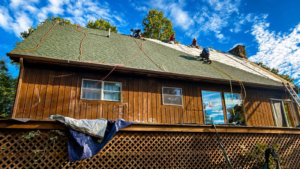
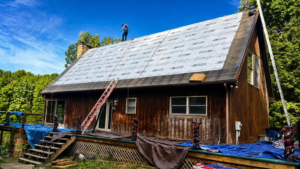
Underlayment serves as a protective barrier between the roof deck and the shingles. It’s typically made from materials like asphalt-saturated felt, rubberized asphalt, or synthetic polypropylene. This layer adds an additional layer of water resistance and helps extend the life of the roof.
The underlayment also has a fire-resistant quality, which can minimize the spread of fire in case of an emergency. It ensures that the deck stays protected even if the outer shingles are damaged.
4. Flashing: Redirecting Water Away from Vulnerable Areas
Flashing is used to direct water away from the vulnerable areas of your roof, such as where the roof meets the chimney, vents, or skylights. This metal flashing is installed at critical points where two roof surfaces meet and is essential to prevent leaks.
There are several types of flashing used in a complete roofing system:
-
Drip edge: Installed along the roof’s outer edges to ensure water flows into the gutter.
-
Step flashing: Applied where the roof meets the walls.
-
Cap flashing: Added around chimneys or other vertical structures.
-
Valley flashing: Installed at roof valleys to prevent water from pooling.
Each type of flashing ensures that water is redirected away from potential problem areas, protecting the roof from damage.
5. Roofing Materials: The Outer Layer of Protection
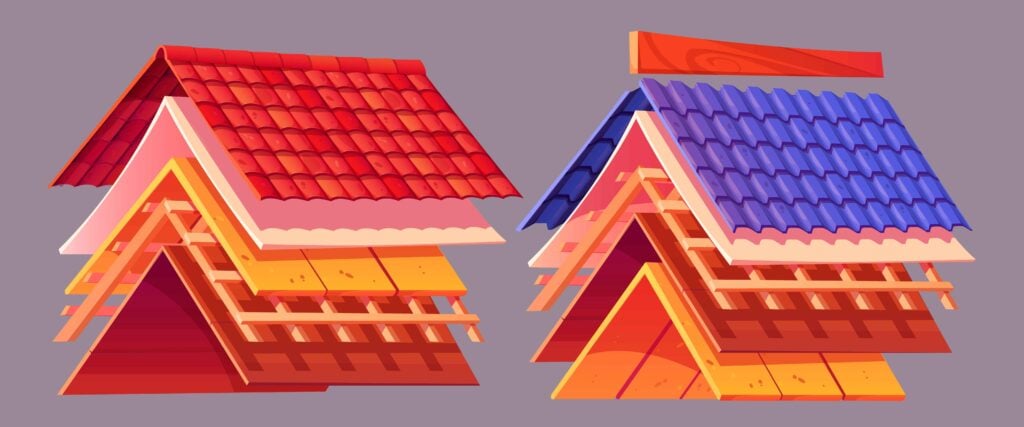
The roofing material is what most people think of when they think of a roof. It’s the outermost layer that provides protection from rain, snow, and sun. Common roofing materials include asphalt shingles, clay tiles, slate tiles, and metal roofing. The right roofing material depends on your location, budget, and the aesthetic you want for your home.
- Asphalt Shingles: These are the most popular choice for residential roofing systems. They are durable, affordable, and come in various styles and colors. Asphalt shingles are also relatively easy to install, making them a go-to option for homeowners and roofing contractors alike.
- Clay and Slate Tiles: These materials offer durability and a timeless aesthetic, particularly in hot climates. They are resistant to fire and can last for decades if properly maintained.
- Metal Roofing: Metal roofs, made from materials like aluminum or steel, are highly durable and energy-efficient. They can withstand extreme weather conditions, making them ideal for areas with frequent storms or high winds.
Regardless of the material you choose, your complete roofing system needs to have the proper shingles, tiles, or metal panels to protect your home and enhance its curb appeal.
6. Ridge Capping: Sealing the Roof’s Peak
Ridge capping is installed along the peak of the roof, where two roof slopes meet. It covers the area to ensure that water doesn’t seep into the roof’s ridge line, keeping the attic dry and safe. Ridge capping also provides a polished, finished look to your roof, adding an aesthetically pleasing element to your home.
7. Ventilation: Ensuring Proper Airflow
Proper roof ventilation is essential for regulating temperature and humidity inside your attic. Too much heat or moisture can cause significant damage to your roof materials and may even lead to mold growth. Good ventilation can also help prevent ice dams from forming during the winter months.
There are two main types of roof vents:
- Exhaust vents: These are installed near the peak of the roof to let out hot, stale air.
- Intake vents: These allow cooler air to enter the attic, helping to push out the hot air.
A balanced system of intake and exhaust vents ensures that the attic stays cool and dry, which ultimately extends the lifespan of your complete roofing system.
Why a Complete Roofing System Is Important for Your Home
Having a complete roof system means that every component, from the underlayment to the flashing, is working together to protect your home from the elements. The benefits of a complete roofing system include:
- Enhanced durability: A well-integrated roof system can withstand harsh weather, preventing leaks, ice dams, and water damage.
- Energy efficiency: Proper ventilation and insulation can help reduce energy costs by keeping your home comfortable year-round.
- Aesthetics and curb appeal: The right roofing materials and a well-maintained roof can boost the visual appeal of your home, increasing its resale value.
- Long-term savings: By investing in a complete roofing system with high-quality materials, you’ll save on costly repairs and replacements in the future.
Complete Roofing Systems Reviews: What Homeowners Are Saying
When looking for a roofing system, it’s essential to consider the experiences of other homeowners. Complete roofing systems reviews provide insight into the longevity, reliability, and effectiveness of different roof systems. Homeowners often note that investing in a complete roofing system with quality materials, such as asphalt shingles or metal roofs, significantly improves their home’s protection and curb appeal.
Many reviewers emphasize the importance of proper ventilation and flashing, as these elements play a key role in preventing water damage and extending the life of the roof. Additionally, the ice and water shield is often highlighted in reviews as a crucial element, especially in colder climates where ice dams can be a significant concern.
By reading reviews and doing your research, you can make a more informed decision about which complete roofing system will best meet your needs.
Conclusion: Protect Your Home with a Complete Roofing System
A complete roofing system is the key to protecting your home from the elements and ensuring long-term durability. From the roof deck to the flashing, ventilation, and roofing materials, every element plays an important role in ensuring your home remains safe, comfortable, and energy-efficient.
If you’re ready to upgrade or replace your roof, consider investing in a complete roof system that meets your needs and budget. Reach out to a trusted roofing professional to discuss your options and get started on your roofing project today.