Storms can be unpredictable. One moment, the sky is calm, and the next, strong winds, heavy rain, or hail are pounding your roof. Your roof is your home’s first line of defense, so when it gets damaged, everything inside becomes vulnerable. If you’ve recently experienced a storm, you might be wondering: Is my roof okay? Do I need repairs? How much will it cost?
This guide will walk you through everything you need to know about storm damage roof repair, from spotting damage to choosing the right contractor, in simple, easy-to-understand language.
Understanding Storm Damage to Roofs
Storms can affect roofs in different ways depending on the weather conditions, roofing material, and the structure of your home.
Common Types of Storm Damage
Wind Damage
Strong winds can lift shingles, loosen flashing, and even tear parts of your roof off. Sometimes, damage isn’t obvious from the ground but can still cause leaks later.
Hail Damage
Hail acts like tiny rocks hitting your roof at high speed. It can crack shingles, dent metal panels, and weaken protective layers.
Water and Rain Damage
Heavy rain can exploit weak areas. Once water penetrates, it can cause mold, rot, and structural issues.
Falling Debris Damage
Branches, trees, or flying debris during storms can puncture or crush roofing sections.
Think of your roof like armor. Once a piece of armor is cracked, the whole system becomes weaker.
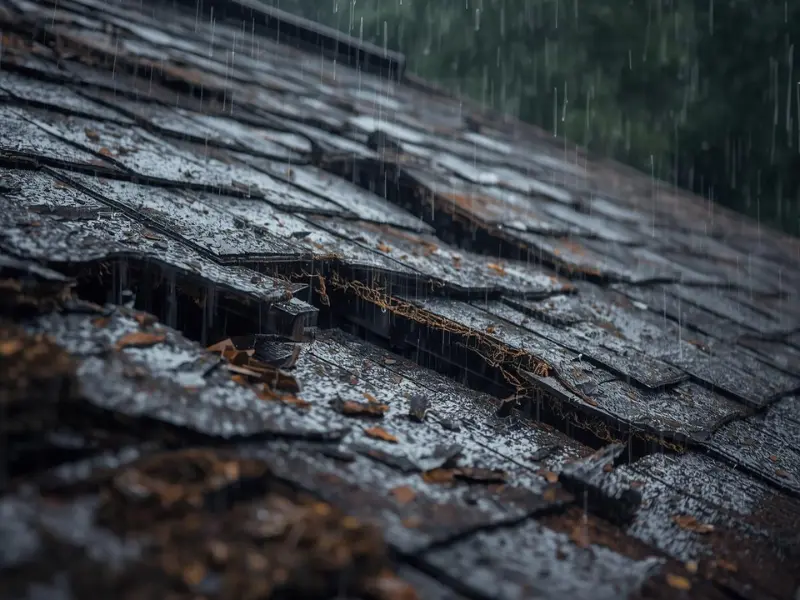
Signs Your Roof Has Storm Damage
Not all damage is obvious. Some problems develop slowly over time.
Exterior Warning Signs
-
Missing or curled shingles
-
Granules are collecting in gutters
-
Cracked or dented roofing materials
-
Loose flashing
-
Visible holes or punctures
Interior Warning Signs
-
Water stains on ceilings
-
Peeling paint
-
Mold growth
-
Damp insulation in the attic
If you notice any of these, it’s time for an inspection.
Why Immediate Roof Repair After a Storm Matters
Delaying repairs is like ignoring a small leak in a boat. Eventually, it becomes a major problem.
Quick repairs help:
-
Prevent water damage
-
Avoid structural issues
-
Reduce repair costs
-
Maintain property value
-
Keep insurance claims valid
The sooner you act, the cheaper and easier the repairs usually are.
Emergency Steps to Take After Storm Damage
Safety First
Never climb onto a damaged roof yourself, especially after a storm. Surfaces can be slippery and unstable.
Temporary Fixes
You can use tarps or plastic covers to prevent water entry until professionals arrive.
Documenting Damage for Insurance
Take clear photos and videos from safe angles. Documentation strengthens your insurance claim.
Professional Storm Damage Roof Inspection
A professional inspection is critical. Roofing experts know how to spot hidden damage that homeowners often miss.
They typically check:
-
Shingles and materials
-
Flashing and seals
-
Structural integrity
-
Attic ventilation
-
Water intrusion points
Many contractors even provide free inspections after storms.
Storm Damage Roof Repair Process Explained
Understanding the repair process helps reduce stress.
Damage Assessment
Contractors inspect and create a repair plan with cost estimates.
Repair vs Replacement Decision
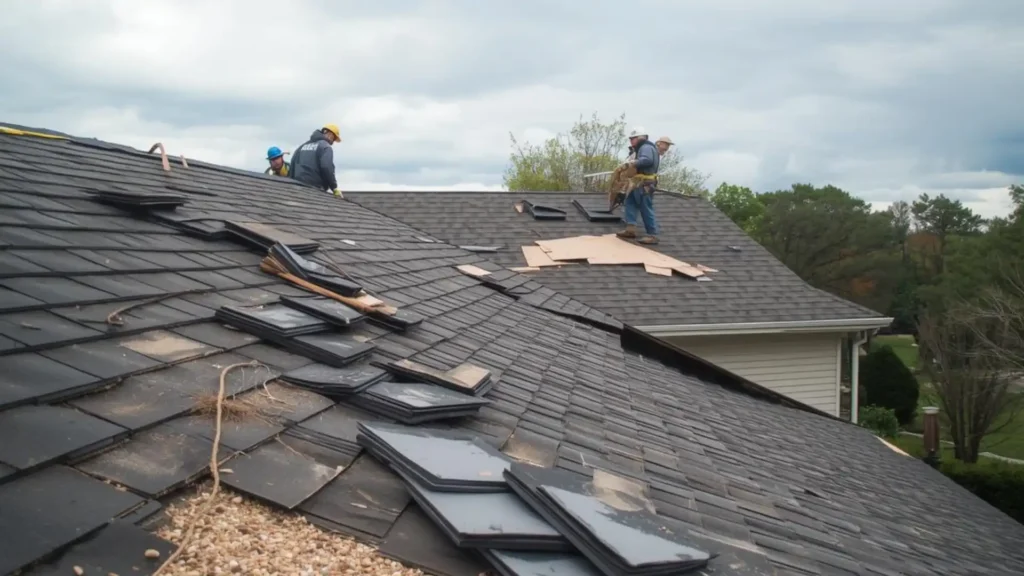
Minor damage may need simple repairs. Severe damage may require full replacement.
Repair Execution
Repairs may include:
-
Replacing shingles
-
Fixing flashing
-
Sealing leaks
-
Structural reinforcement
Cost of Storm Damage Roof Repair
Costs vary depending on:
-
Damage severity
-
Roof size
-
Materials used
-
Labor rates
-
Location
Typical ranges:
-
Minor repairs: $150 – $1,000
-
Moderate repairs: $1,000 – $5,000
-
Major repairs/replacement: $5,000 – $15,000+
Insurance often covers storm damage, reducing out-of-pocket costs.
Insurance Claims for Storm-Damaged Roofs
Insurance can feel complicated, but understanding the process helps.
Filing a Claim
Contact your insurer immediately after the storm. Provide photos and documentation.
Working With Adjusters
Insurance adjusters evaluate damage. A contractor can help ensure fair assessment.
Common Claim Mistakes to Avoid
-
Waiting too long
-
Poor documentation
-
Hiring unlicensed contractors
-
Accepting low settlement offers
DIY vs Professional Roof Repair
You might think DIY saves money. But roofing is dangerous and complex.
DIY risks include:
-
Personal injury
-
Improper repairs
-
Voided warranties
-
Insurance issues
Professionals provide safety, expertise, and guarantees.
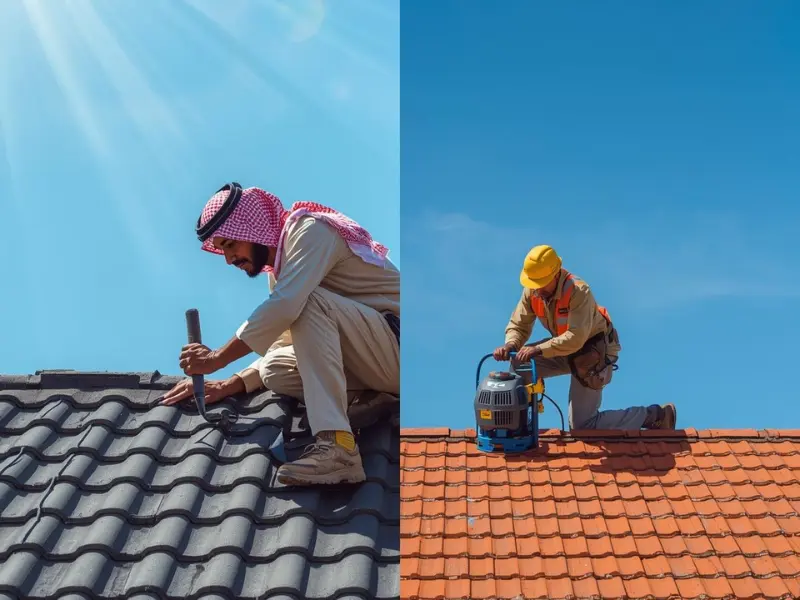
How to Choose the Right Roofing Contractor
Choosing the right contractor is crucial.
Look for:
-
Licensing and insurance
-
Positive reviews
-
Written estimates
-
Warranty offers
-
Local experience
Avoid “storm chasers” — contractors who appear after storms and disappear later.
Preventing Future Storm Roof Damage
Prevention is always cheaper than repair.
Maintenance Tips
-
Regular inspections
-
Cleaning gutters
-
Removing nearby tree branches
-
Fixing minor issues early
Impact-Resistant Roofing Materials
Modern materials like impact-resistant shingles can reduce future damage risk.
How Weather Patterns Affect Roof Longevity
Different climates cause different problems.
-
Hot climates: UV damage and cracking
-
Cold climates: Ice dams and expansion
-
Coastal areas: Salt corrosion
-
Storm-prone areas: Wind and debris damage
Understanding your local weather helps you choose better materials.
When Roof Replacement Is Necessary
Sometimes repairs aren’t enough.
Replacement may be needed if:
-
Damage covers large areas
-
The roof is very old
-
Structural integrity is compromised
-
Multiple leaks exist
Think of it like replacing worn-out tires instead of patching them repeatedly.
Benefits of Hiring a Storm Damage Specialist
Storm damage specialists provide:
-
Accurate inspections
-
Insurance claim assistance
-
Faster repairs
-
Quality materials
-
Long-term warranties
They reduce stress during an already stressful situation.
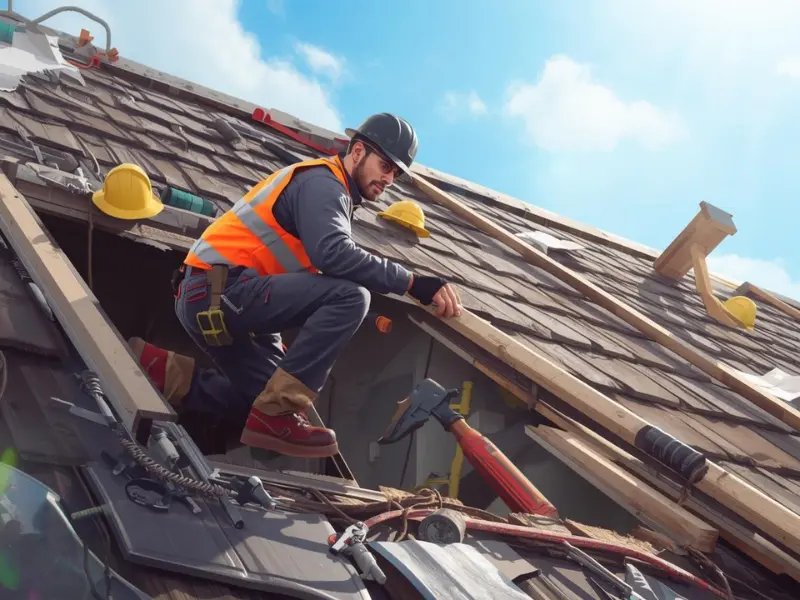
Final Thought
Storm damage roof repair isn’t just about fixing shingles; it’s about protecting your home, your family, and your investment. Act quickly after storms. Get professional inspections. Work with trusted contractors. And consider preventive upgrades for the future. Your roof protects everything underneath it, so taking care of it means taking care of your entire home.
If you’ve recently experienced a storm or noticed signs of roof damage, don’t wait until small issues turn into costly repairs. A professional assessment can give you peace of mind and help you understand your options clearly. Contact us today to schedule a roof inspection or discuss your repair needs. Our team is here to provide reliable solutions, honest guidance, and fast service when you need it most.
Join Our Community
Join our community on Facebook, and don’t forget to subscribe to us on YouTube for new content each week.
FAQs
1. How soon should I repair my roof after storm damage?
You should arrange an inspection immediately, ideally within 24–48 hours after the storm.
2. Does homeowners’ insurance cover storm roof damage?
Yes, most policies cover storm-related damage, but coverage depends on your policy details.
3. Can storm damage cause hidden roof problems?
Absolutely. Small cracks or lifted shingles can lead to leaks months later.
4. How long does storm damage roof repair take?
Minor repairs may take a few hours, while major repairs or replacement can take several days.
5. Should I replace my roof after severe storm damage?
If damage is extensive or your roof is old, replacement may be the best long-term solution.