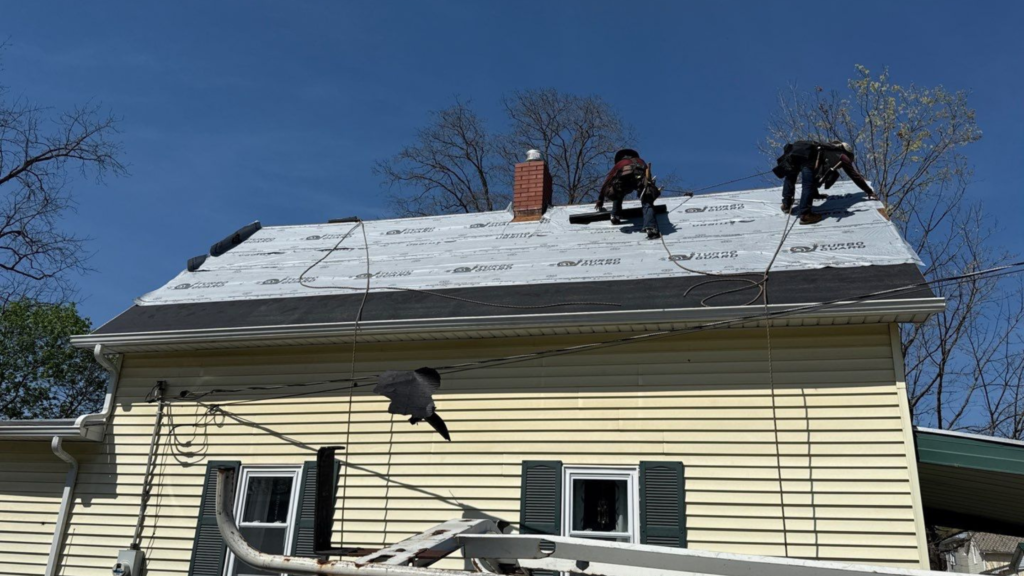
When a storm rolls through Marengo or Mount Vernon, Ohio, your roof is the first line of defense. High winds, heavy rain, hail, falling branches, and winter ice can all cause sudden damage that demands immediate attention. In those moments, homeowners often feel pressure to act quickly — and that’s understandable.
But here’s the reality: emergency roof repair for specific materials requires more than speed. It requires precision, product knowledge, and an understanding of how different roofing systems respond to damage.
A repair that works temporarily on asphalt shingles may cause serious long-term problems on a metal roof. A patch designed for flat roofing membranes could worsen damage on architectural shingles. When it comes to emergency roof repair for specific materials, one-size-fits-all solutions simply don’t work.
In this comprehensive guide, we’ll walk through common mistakes homeowners make during emergency situations, explain why roofing material type matters, and outline how to protect your investment during urgent roof repairs in central Ohio.
Why Roofing Material Matters During Emergency Repairs
Not all roofs are built the same — and not all emergency repairs should be handled the same way.
Homes in Marengo and Mount Vernon typically feature a mix of roofing systems, including:
- Asphalt shingles (three-tab or architectural)
- Metal roofing panels
- Flat or low-slope membrane roofing
- Composite shingles
- Synthetic roofing materials
Each material has its own installation method, fastening pattern, sealing requirements, and manufacturer guidelines. That’s why emergency roof repair for specific materials must be handled carefully.
How Different Materials React to Damage
For example:
- Asphalt shingles may lose granules or lift in high winds.
- Metal roofing may experience panel separation or fastener failure.
- Flat roofing membranes can puncture or develop seam separation.
- Composite materials may crack under impact.
Applying the wrong repair method can:
- Void warranties
- Lead to leaks later
- Cause structural damage
- Result in failed inspections
Understanding the unique characteristics of each roofing system is critical when performing emergency roof repair for specific materials.
Common Mistake #1: Using Temporary Fixes as Permanent Solutions
During a storm emergency, tarps and sealants are often necessary. But one of the biggest mistakes homeowners make is treating temporary repairs as long-term fixes.
The Role of Emergency Tarping
Emergency tarping is a short-term protective measure designed to:
- Prevent water intrusion
- Protect exposed decking
- Reduce interior damage
However, tarps are not permanent solutions. Leaving a tarp in place for extended periods can cause moisture buildup and further deterioration.
Material-Specific Considerations
When performing emergency roof repair for specific materials, the correct temporary solution depends on the roof type:
- Asphalt shingles require proper sealing after replacement.
- Metal panels may need specialized fasteners.
- Flat roofing membranes require compatible patch materials.
Using roofing cement meant for shingles on a metal seam, for example, may trap moisture and accelerate corrosion.
Professional contractors understand the difference between temporary stabilization and proper permanent repair.
Common Mistake #2: Ignoring Manufacturer Guidelines
Every roofing manufacturer provides specific installation instructions. During emergencies, homeowners sometimes hire contractors who overlook these details.
Why Manufacturer Guidelines Matter
Even in urgent situations, emergency roof repair for specific materials must comply with manufacturer standards to preserve warranty protection.
For example:
- Shingle nail placement must follow exact patterns.
- Metal roofing fasteners must meet torque specifications.
- Membrane seams must be heat-welded properly.
Failure to follow manufacturer requirements can void warranties — even if the repair appears successful initially.
In Ohio’s climate, where snow loads and freeze-thaw cycles stress roofing materials, following proper repair methods is essential for long-term performance.
Common Mistake #3: DIY Repairs on Specialized Materials
It’s understandable that homeowners want to minimize further damage quickly. However, DIY emergency repairs can create larger problems — especially when dealing with emergency roof repair for specific materials.
Risks of DIY Repairs
Climbing onto a damaged roof poses serious safety risks. Beyond safety, improper DIY repairs can:
- Cause additional shingle lifting
- Damage flashing
- Create water traps
- Compromise ventilation
- Worsen structural issues
Metal roofs, in particular, require precise fastening techniques. Walking improperly on metal panels can dent surfaces and compromise structural integrity.
Flat Roofing Challenges
Flat or low-slope roofing systems require specialized materials and techniques. Attempting DIY repairs on membrane roofing without proper adhesives or welding equipment often leads to recurring leaks.
Emergency situations require professional evaluation to avoid costly long-term consequences.
Common Mistake #4: Failing to Address Underlying Damage
Sometimes visible damage is only part of the problem. During emergency roof repair for specific materials, it’s critical to assess underlying components.
Hidden Damage Risks
Storm damage may impact:
- Roof decking
- Underlayment
- Ice and water shield
- Flashing
- Attic insulation
Repairing surface materials without addressing hidden damage can result in:
- Mold growth
- Structural rot
- Ice dam formation
- Ongoing leaks
A thorough inspection ensures the emergency repair addresses the full scope of damage — not just what’s visible from the ground.
Common Mistake #5: Delaying Permanent Repairs
In Ohio, weather conditions can shift quickly. Homeowners sometimes delay permanent repairs after temporary fixes, especially if leaks appear to stop.
However, emergency roof repair for specific materials should always transition from temporary stabilization to full repair as soon as possible.
Delays can lead to:
- Water infiltration during future storms
- Freeze-thaw expansion damage
- Compromised insulation
- Higher long-term repair costs
Addressing the problem promptly protects your home’s structural integrity and resale value.
How Different Roofing Materials Require Different Emergency Repair Strategies
To better understand why material matters, let’s examine specific repair considerations.
Asphalt Shingles
Most homes in Marengo and Mount Vernon use asphalt shingles. Emergency repair may involve:
- Replacing missing shingles
- Sealing lifted tabs
- Reinforcing underlayment
Correct nail placement and sealant compatibility are essential.
Metal Roofing
Metal roofs require:
- Panel alignment correction
- Fastener replacement
- Sealant compatible with metal surfaces
Improper sealants can trap moisture and accelerate corrosion.
Flat Roofing Systems
Flat roofing membranes demand:
- Proper cleaning before patching
- Heat welding or compatible adhesive
- Seam reinforcement
Improper patching can worsen ponding issues.
Every type of emergency roof repair for specific materials demands material-specific expertise.
Why Choose Whitt Roofing & Restoration for Emergency Roof Repairs in Marengo & Mount Vernon?
When facing storm damage or unexpected roof failure, working with an experienced contractor is critical.
Whitt Roofing & Restoration proudly serves homeowners throughout Marengo, Mount Vernon, and surrounding Ohio communities.
Local Climate Expertise
We understand how Ohio’s:
- Snow accumulation
- Ice dams
- Heavy rainfall
- High winds
- Freeze-thaw cycles
Impact different roofing materials.
Material-Specific Repair Knowledge
Our team is experienced in handling emergency roof repair for specific materials, including:
- Asphalt shingles
- Metal roofing
- Low-slope systems
- Composite roofing
We tailor our repair methods to the specific roofing system on your home.
Thorough Inspections
We don’t just patch visible damage. We inspect underlying structures to ensure long-term performance and safety.
Insurance Claim Assistance
Storm damage often involves insurance claims. We provide documentation and support to help homeowners navigate the process.
Commitment to Quality
We follow both local building codes and manufacturer guidelines to ensure warranty protection and long-lasting results.
Final Thoughts: Avoid Costly Mistakes During Emergency Roof Repair
Emergency roofing situations are stressful — but rushing into improper repairs can lead to bigger problems.
Understanding the importance of emergency roof repair for specific materials helps homeowners avoid:
- Voided warranties
- Recurring leaks
- Structural damage
- Unnecessary repair costs
Every roofing material requires a tailored repair approach. Temporary fixes should transition quickly to permanent solutions. Manufacturer guidelines and local building codes must both be followed.
If your home in Marengo or Mount Vernon has suffered storm damage, contact Whitt Roofing & Restoration today. Our experienced team specializes in emergency roof repair for specific materials, providing prompt response, professional workmanship, and long-term protection for your Ohio home.