Storms hit hard, and in the U.S., weather-related insurance claims top $10 billion each year. A single bad storm can leave your roof battered, leading to leaks that damage your home’s insides if you wait too long. After high winds, hail, or heavy rain, check your roof right away to spot trouble and avoid bigger headaches.
This guide walks you through spotting roof storm damage, steps to take first, and how to fix it the right way. You’ll learn what to look for, safe actions post-storm, and tips for dealing with insurance. If you’re a homeowner staring at storm clouds of doubt, these details will help you protect your place.
Identifying Common Types of Roof Storm Damage
Storms leave marks on your roof in ways that aren’t always easy to see at first glance. Knowing the signs helps you act fast before small issues grow. Let’s break down the main types of hail, wind, and rain.
Hail Damage: Bruises on Your Roof
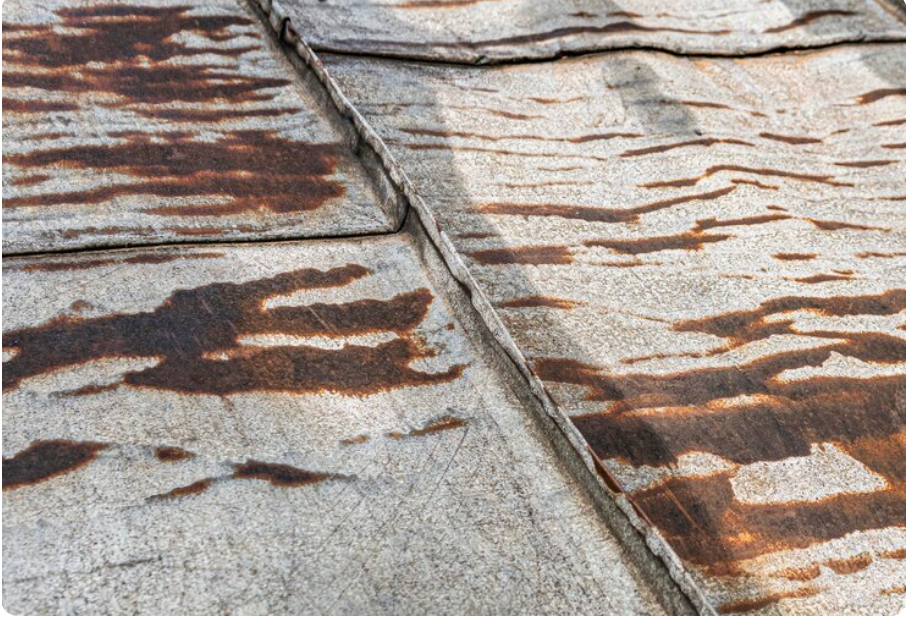
Hail pounds your roof like fists from the sky. On asphalt shingles, it strips away granules, leaving bald spots that speed up wear. You might find soft dents or cracked tabs that make the surface weak. Metal roofs show dents in patterns that match hail size. Check your siding or the ground for matching impact spots to confirm.
These hits can weaken the whole setup over time. Look for granule buildup in gutters as a clear clue. Even small hail causes hidden cracks that let water in later. Spot these early to save on hail damage repair costs.
Wind Damage: Lifting and Tearing
High winds lift shingles like a vacuum, sucking them up. You could see missing pieces along the edges or the ridge. Flashing around chimneys might peel away, opening paths for water.
Winds create pressure that stresses the roof’s hold. Shingles curl or tear at the edges from this force. Check for gaps where nails popped out.
Debris flying around adds to the mess, scratching surfaces. Wind uplift roof damage often hides under the surface, so inspect closely. Fix these fast to stop leaks.
Water Intrusion and Leaks After Heavy Rain
Heavy rain soaks everything if seals fail. Decking under shingles warps from too much moisture, leading to sags. Gutters clog with leaves and junk, spilling water over eaves. Vents and chimneys lose their tight seals in storms, letting water sneak in. Roofs with poor drainage pool water, rotting wood below. Signs include dark stains inside your attic. Prolonged wet conditions breed mold and weaken beams. Water damage from storms demands quick drying to avoid health risks. Clear clogs and patch leaks right away.
Immediate Post-Storm Action Plan for Homeowners
After a storm passes, don’t rush up there blind. Follow these steps to stay safe and protect your home. Quick moves cut down on extra harm.
Safety First: Assessing the Immediate Perimeter
Stay clear of live wires or downed power lines that spark danger. Wait for utility crews if you see any hazards. Never climb a shaky ladder on a wet roof.
Clear big branches or debris from around your house to avoid more falls. Wear sturdy shoes and gloves for ground work. Call pros if the roof looks unstable.
Check for loose gutters or siding from the ground. Safety keeps you from adding injury to damage. Take it slow and smart.
Documenting the Damage for Insurance Claims
Snap photos with dates and times stamped on. Capture the whole roof from different sides, plus close-ups of bad spots. Video walks around the house show the full picture.
Compare damaged shingles to good ones nearby for clear proof. Note weather reports or neighbor damage to build your case. High-res shots help adjusters see details.
Keep a log of what you find, like granule loss or missing tabs. This record speeds up claims for Storm Damage to Roof. Store files safely on your phone or cloud.
Implementing Temporary Repairs and Mitigation
Tarp over big holes with heavy-duty sheets nailed down tight. Use boards to weigh edges if the wind picks up again. These covers buy time until the pros arrive. Seal small leaks with roof patch tape, but skip if it’s too risky. Clear gutters to stop overflow that worsens issues. Avoid hot glue or cheap fixes that void warranties. Temporary steps prevent inside floods, but they’re not forever. Act now to limit water entry. Call for help soon for real repairs.

The Professional Roof Inspection: What to Expect
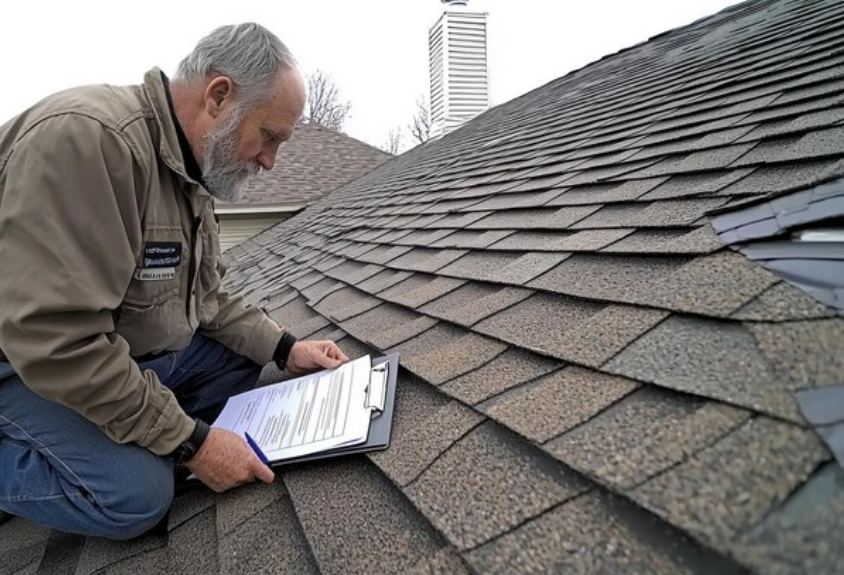
DIY checks only go so far—pros catch what you miss. Hiring a certified roofer saves money in the long run by spotting deep problems. Expect a thorough look that guides your next moves.
Specialized Tools and Techniques for Detection
Roofers use infrared cameras to find hidden wet spots under shingles. Drones fly over for safe, full views without ladders. Moisture meters poke into the decking to measure damp levels. These tools reveal trapped water that causes rot over time. Pros also test shingle strength with simple taps. Advanced detection beats glances every time. Thermal imaging shows heat patterns from leaks you can’t see. This tech ensures no surprises later. Trust it for accurate storm damage assessments.
Understanding the Difference Between Cosmetic and Structural Damage
Cosmetic hits, like light dents, don’t threaten your home’s frame. They might just need patches if the base stays strong. Structural damage, though, cracks beams, or shifts supports. Industry groups like NRCA say replace if more than 25% shows harm. Minor scuffs won’t leak, but deep fractures will. Know the gap to avoid overpaying. Look at how the roof holds weight—sags mean big trouble. Cosmetic fixes save cash; structural ones protect your family. Pros explain this clearly.
Obtaining and Comparing Repair Estimates
Ask contractors for their license numbers and proof of insurance. Check if they cover workers’ and liability. Get details on warranties for labor and materials. Compare at least three bids on the same scope. Question how they handle old roofs or upgrades. Written estimates prevent surprises. Vetting pros ensures quality work. Read reviews and ask for past job photos. This step locks in fair deals for roof storm damage fixes.
Navigating the Insurance Claim Process for Roof Damage
Claims feel like a maze, but clear steps get you there. Start early to meet deadlines and gather what you need. Fair payouts come from good prep.
Filing the Claim: Deadlines and Necessary Paperwork
Most policies give 30 to 60 days to file after a storm. Call your agent the day after to report. Include your policy number and storm date. Submit photos, videos, and pro inspection reports. Add weather data from local news. Carriers need this to approve Storm Damage to Roof claims. Keep copies of everything sent. Track calls with notes on who you spoke to. Timely filing avoids denials.
Dealing with Adjuster Discrepancies and Supplement Claims
Adjusters might lowball the scope, missing full costs. Point out gaps with your contractor’s detailed estimate. Use photos to show overlooked areas. A supplement claim adds proof for higher amounts. Explain why their number falls short, like hidden rot. Persistence pays off here. Many homeowners win extras this way. Stay polite but firm. It closes the gap on repair bills.
Understanding Depreciation and Actual Cash Value (ACV) vs. Replacement Cost Value (RCV)
ACV pays what your roof’s worth now, minus wear. RCV covers full new costs without deductions. Depreciation holds back part of the check until you fix it. Once repairs finish, you get the held amount back. Check your policy for RCV coverage; it’s common. This setup funds the whole job. Know these terms to budget right. Ask your agent for examples. It smooths the payout process.
Repair vs. Replacement: Making the Long-Term Decision
Patching might work short-term, but think ahead. Weigh your roof’s health against storm hits. Smart choices last longer and cost less over time.
Evaluating Roof Age and Remaining Lifespan
Asphalt shingles last 20-30 years tops. If yourhitsit 15 years with storm damage, replace the lot. Old roofs hide weak spots that storms expose. Newer ones might just need fixes if damage stays light. Pros calculathe te left life based on material and wear. Age tips the scale toward full swaps often. Storms accelerate the end of aging setups. Factor this in to avoid repeat claims. Long view saves hassle.
Material Selection for Enhanced Storm Resistance
Switch to impact-rated shingles that shrug off hail. Metal standing seams handle winds better than old styles. These picks boost durability against future storms. Upgrades can drop your insurance rates by 10-20%. Choose Class 4 impact materials for top protection. They pay back in peace of mind. Mix in better underlayment for water barriers. Stronger options weather tests well. Invest now for fewer worries later.
Warranty Implications of Partial Repairs
Partial patches with mismatched materials break full-roof warranties. Manufacturers want uniform systems to stand behind. Use certified installers to keep coverage. Old warranties are void if you mix in cheap fixes. Full replacements renew protections. Check terms before any work. This keeps your investment safe. Pros guide you on compliant choices. Avoid pitfalls that cost more down the line.
Final Thought
Join Our Community
Join our community on Facebook, and don’t forget to subscribe to us on YouTube for new content each week.
FAQs
1. What is a Storm-Damaged Roof?
Roof storm damage refers to roof problems caused by hail, strong winds, heavy rain, or debris that can loosen shingles, create leaks, or weaken the roof structure.
2. How can I tell if my roof has storm damage?
Look for missing shingles, dented metal, granules in gutters, cracked flashing, or water stains in the attic. These are common signs of roof storm damage.
3. Should I inspect my roof after a storm?
Yes. Inspect your roof from the ground or schedule a professional inspection after severe weather to catch Roof Damage After a Storm before it leads to leaks.
4. Will homeowners’ insurance cover Storm-Affected Roofing?
Most homeowners’ insurance policies cover Storm-Affected Roofing caused by hail, wind, or fallen debris, but coverage depends on your policy terms.
5. Should I repair or replace a storm-damaged roof?
Minor Roof Damage After a Storm may only require repairs, but older roofs or severe damage often require full replacement to ensure long-term protection.