What if your brand-new roof started aging faster from the inside out? What if the shingles looked perfect from the street, but trapped heat and moisture in the attic were quietly shortening their lifespan? Many homeowners focus on shingle color, warranties, and roofing materials when planning a replacement, yet one of the most important parts of the system is almost invisible. Proper attic ventilation Ohio homeowners can rely on helps control heat, moisture, condensation, and airflow so the new roof above it can perform the way it was designed to.
Your New Roof Needs to Breathe
It may sound strange to say a roof needs to breathe, but controlled airflow is essential.
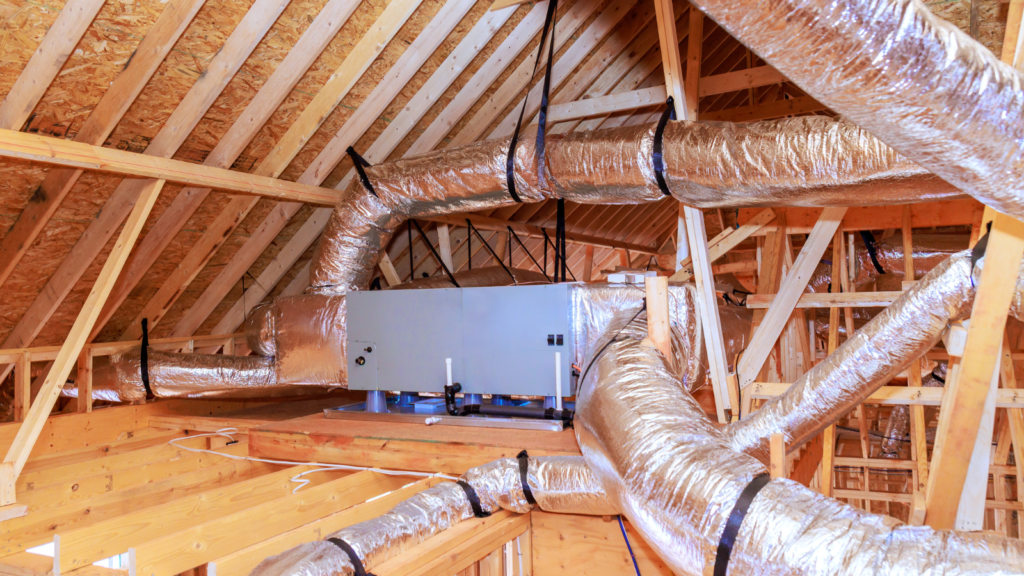
A properly designed ventilation system allows cooler outside air to enter through intake vents, typically near the soffits, while warmer, moisture-filled air exits through exhaust vents near the roof peak.
That continuous movement helps maintain more balanced attic conditions.
Without effective attic ventilation Ohio homes may experience extreme heat in summer and moisture buildup during colder months. Both conditions can affect roofing materials, insulation, and even the wooden structure beneath the roof.
Summer Heat Can Bake Your Roof From Below
Ohio summers can get hot, and attic temperatures can climb significantly higher than the outdoor temperature.
When hot air becomes trapped, the underside of the roof deck stays warmer for longer periods. That extra heat can place stress on asphalt shingles and make your cooling system work harder.
Proper roof ventilation helps release that trapped heat instead of allowing it to build up all afternoon.
One of the biggest benefits of attic ventilation Ohio homeowners may notice is a more balanced attic environment that supports energy efficiency and reduces unnecessary strain on the roofing system.
Your roof already deals with sunlight from above. It should not have to fight excessive trapped heat from below too.
Moisture Can Be Just as Damaging as Heat
Warm air from everyday activities inside your home naturally rises.
Cooking, showering, laundry, and even normal household humidity can introduce moisture into attic spaces.
If that moisture cannot escape, condensation may form on roof decking, nails, rafters, and insulation.
Over time, trapped attic moisture can contribute to:
- Mold and mildew growth
- Damp insulation
- Wood deterioration
- Rusted fasteners
- Musty odors
- Roof decking damage
A well-designed attic ventilation Ohio system helps move moisture out before it has time to create larger problems.
That matters especially during colder months when warm indoor air meets cooler roof surfaces.
Ventilation Can Help Protect Roof Decking
Roof decking is the structural surface beneath your underlayment and shingles.
Because it is hidden, homeowners often do not realize there is a problem until old roofing materials are removed.
If moisture repeatedly condenses on the underside of the decking, the wood may begin to soften or deteriorate.
That can create expensive surprises during a future roof replacement.
Proper attic ventilation Ohio homeowners invest in today can help keep the decking drier and protect the foundation supporting the entire roofing system.
A new roof should never be installed without considering what is happening beneath it.
Poor Ventilation May Contribute to Ice Dam Problems
Mount Vernon winters bring snow, freezing temperatures, and repeated freeze-thaw cycles.
When attic heat warms portions of the roof, snow may melt higher up and flow toward colder eaves. Once that water reaches the colder roof edge, it can refreeze and contribute to ice dam formation.
Ice dams may force water beneath roofing materials, increasing the chance of leaks and moisture damage.
Insulation and air sealing also play important roles, but balanced attic ventilation Ohio homes need can help maintain more consistent roof temperatures during winter.
That is why ventilation should be evaluated as part of a complete roofing system, not treated as an optional extra.
Ventilation and Insulation Must Work Together
Homeowners sometimes assume more ventilation automatically means better performance.
That is not necessarily true.
The system needs the right balance of intake and exhaust ventilation, and it must work alongside properly installed attic insulation and air sealing.
Too little airflow can trap heat and moisture. Poorly planned vent placement can create inefficient circulation.
During a roof replacement, a professional contractor should evaluate:
- Existing soffit vents
- Ridge ventilation
- Blocked intake areas
- Attic insulation
- Airflow pathways
- Roof design
- Existing moisture concerns
The goal of attic ventilation Ohio homeowners should expect is balanced airflow tailored to the actual structure of the home.
Ridge Vents Are Only Part of the Solution
Ridge vents are installed near the highest point of the roof and allow warm air to escape.
However, exhaust vents cannot do their job effectively without adequate intake.
Soffit vents near the lower edge of the roof allow fresh air to enter the attic. When intake and exhaust work together, air can move naturally through the space.
Installing a ridge vent without sufficient intake may not solve an existing ventilation problem.
A professional attic ventilation Ohio evaluation looks at the entire airflow path rather than simply adding another vent and hoping for the best.
Better Ventilation Can Support Energy Efficiency
Your HVAC system works hard enough during an Ohio summer.
If attic heat becomes extreme, some of that heat can transfer toward the living space below, especially when insulation is inadequate.
Balanced ventilation helps release excess attic heat, while good insulation helps slow heat transfer.
Together, they can support a more comfortable and energy-efficient home.
Homeowners exploring attic ventilation Ohio improvements during a new roof installation should also ask whether their existing insulation and airflow pathways are working together properly.
A roof replacement is an ideal time to evaluate these hidden systems because contractors already have access to critical areas of the roofing structure.
Ventilation Can Affect the Life of Your New Roof
A new roof is a significant investment.
You want to get as many reliable years from it as possible.
Proper installation, quality materials, routine inspections, drainage, and ventilation all influence long-term performance.
Ignoring attic ventilation Ohio roofing systems depend on can place unnecessary stress on shingles and decking from day one.
That is why Whitt Roofing & Restoration considers ventilation part of the roofing conversation, not an afterthought.
Replacing visible shingles without evaluating the environment beneath them may leave an important problem unresolved.
Watch for Signs Your Attic May Not Be Ventilating Properly
Most homeowners rarely enter their attic, but your home may still provide clues.
Possible warning signs include:
- Extremely hot upstairs rooms
- Musty attic odors
- Visible condensation
- Damp insulation
- Mold or mildew
- Rusted roofing nails
- Ice buildup along roof edges
- Uneven indoor temperatures
None of these signs automatically proves ventilation is the cause, but they are good reasons to have the roofing and attic systems evaluated.
If you are already planning a roof replacement, this is the perfect opportunity to ask whether attic ventilation Ohio conditions in your home are helping or hurting the new roofing system.
Do Not Put a New Roof Over an Old Airflow Problem
A new roof should solve problems, not cover them up.
Before the first shingle is installed, homeowners deserve to know whether the decking is sound, the underlayment is properly selected, the flashing is secure, and the attic can manage heat and moisture the way it should.
Here is the question most homeowners never think to ask before replacing their roof: What is happening underneath your shingles right now?
If your attic is already trapping excessive heat, holding moisture, or struggling with poor airflow, installing a beautiful new roof above it does not automatically make those problems disappear. In fact, those hidden conditions could begin working against your new roofing system from day one.
That is why evaluating attic ventilation Ohio homeowners depend on should be part of the conversation before installation begins.
Would you rather discover an airflow or moisture problem before your new roof goes on, or several years later when premature wear starts raising questions?
Schedule a professional roof and attic evaluation with Whitt Roofing & Restoration before your next roof replacement. Knowing what is happening beneath the surface today can help you build a roofing system that is truly ready to protect your Mount Vernon home for the long haul.