When planning a roof repair or replacement, most property owners focus on materials, cost, and contractor selection. However, one critical factor often overlooked is roofing codes. These regulations exist to protect your home, your investment, and your safety.
Roof systems are exposed to extreme weather conditions such as heavy rain, wind, snow, and heat. Without proper standards, roofs could fail prematurely or create hazards. Following building codes ensures that your roofing system meets minimum safety and performance requirements, which ultimately saves you money and prevents future structural issues.
Whether you are a homeowner, property manager, or commercial building owner, understanding roofing requirements helps you make informed decisions and avoid costly mistakes.
What Are Roofing Codes? (IRC vs. IBC Explained Simply)
Roofing regulations are regulations that define how roofs must be designed, installed, repaired, and maintained. They typically fall under two main categories:
International Residential Code (IRC)
The IRC applies to single-family homes and smaller residential structures. It provides guidelines for:
Roof slope requirements
Underlayment installation
Ventilation standards
Material specifications
This code focuses primarily on residential safety and durability.
International Building Code (IBC)
The IBC applies to commercial buildings and larger structures such as apartments, offices, and industrial facilities. It includes more complex requirements related to:
Structural load capacity
Fire resistance
Drainage systems
Wind uplift performance
While both codes serve different building types, they share the same goal: ensuring safe and durable roofing systems.
The Key Areas Roofing Codes Cover
Understanding the main components of roofing standards helps you see why compliance matters. Most local roofing regulations focus on four major areas.
Fire Rating
Roofing materials are classified based on their ability to resist fire. In areas prone to wildfires or high temperatures, using approved materials is essential to reduce fire risk.
Wind Resistance
Wind uplift is one of the leading causes of roof damage. Codes specify fastening methods, attachment spacing, and material ratings to ensure roofs can withstand regional wind speeds.
Materials and Installation
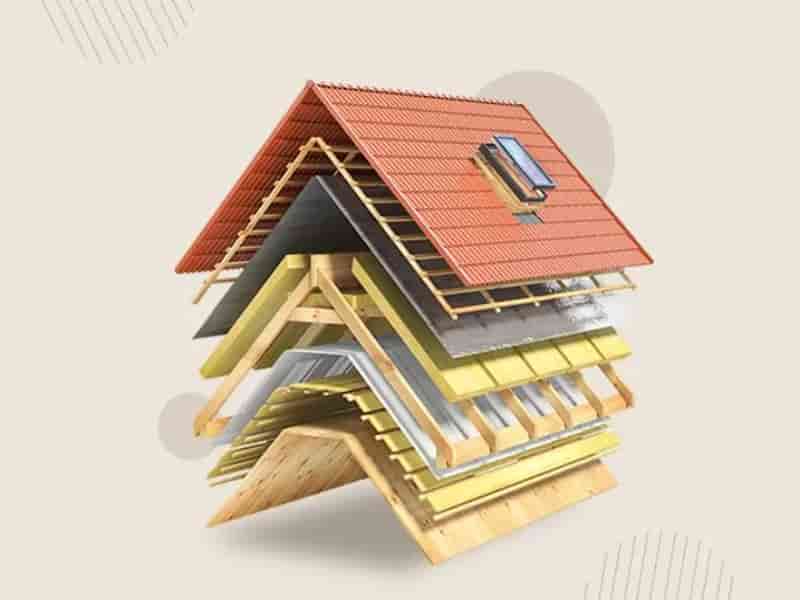
Codes determine which materials are acceptable for different climates and roof types. For example, some regions require specific underlayment layers or moisture barriers to protect against water intrusion.
Drainage and Water Management
Proper drainage prevents water pooling, which can cause leaks and structural damage. Commercial roofs, especially,y must follow strict slope and drainage requirements under building codes.
These requirements ensure that roofs perform well over time and protect the structure underneath.
How Roofing Codes Differ by State and Municipality
Although international codes provide a foundation, local governments often modify them based on climate, geography, and environmental risks.
For example:
Coastal areas may require stronger wind resistance standards.
Northern regions often include snow load requirements.
Urban areas may enforce stricter fire resistance rules.
This means two properties in different cities can have completely different roofing requirements, even if they use similar materials.
That’s why checking local roofing regulations before starting a project is essential. Contractors who understand regional requirements can help ensure compliance and avoid delays.
What Happens If You Ignore Roofing codes
Ignoring roofing standards may seem like a shortcut to saving money, but it often leads to bigger problems.
Here are the most common risks:
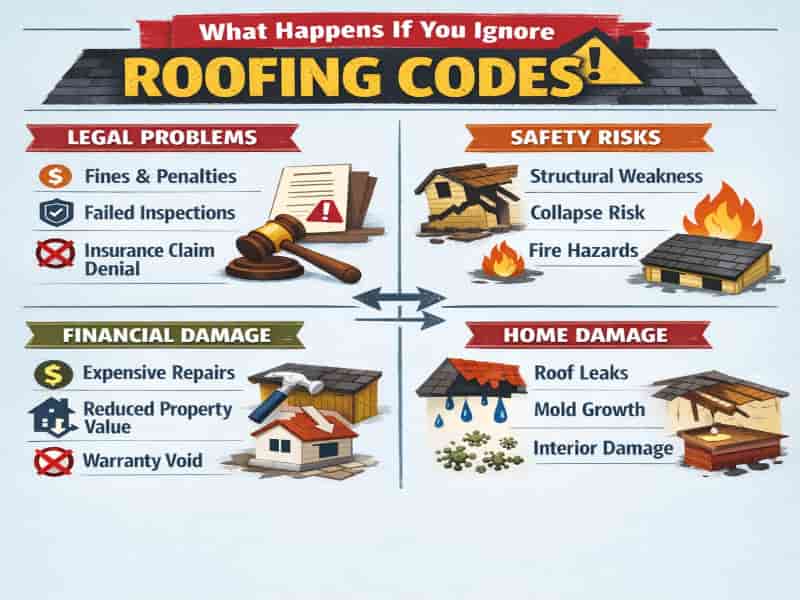
Failed Inspections
Local authorities may reject your project if it does not meet code requirements. This can delay occupancy or resale.
Insurance Issues
Insurance companies may deny claims if a roof was installed improperly or without permits.
Structural Damage
Poor installation or incorrect materials can lead to leaks, mold, and premature roof failure.
Legal and Financial Penalties
Non-compliance may result in fines or mandatory reconstruction.
In short, ignoring roofing codes rarely saves money in the long run. It usually increases costs and risks significantly.
How to Check the Roofing Codes in Your Area
Finding the correct requirements is easier than many people think. Here are practical steps to follow:
Contact Your Local Building Department
Municipal offices typically provide information about permits and roofing standards for your area.
Review State or Regional Guidelines
Many states publish code updates online. These resources help you understand requirements before starting a project.
Work With a Licensed Roofing Contractor
Experienced contractors understand both building codes and local roofing regulations. They can guide you through compliance, permits, and inspections.
Schedule a Professional Roof Inspection
A professional roof inspection can identify potential compliance issues before they become expensive problems.
Taking these steps ensures your project meets standards from the start.
Final Thoughts
Roofing regulations are not just bureaucratic requirements; they are safeguards designed to protect your home, your business, and your investment. Understanding roofing codes helps you avoid costly repairs, legal problems, and safety risks.
If you’re planning a roofing project or unsure whether your current roof meets standards, professional guidance can make all the difference. Contact us today to speak with a roofing expert, ask questions about compliance requirements, or schedule a professional inspection to ensure your roof meets all necessary standards.
Join Our Community
Join our community on Facebook, and don’t forget to subscribe to us on YouTube for new content each week.
FAQs
1. What are roofing codes?
Roofing codes are regulations that define how roofs must be installed, repaired, and maintained to meet safety, structural, and performance standards.
2. Why are roofing codes important?
They protect buildings from weather damage, improve safety, and ensure roofs meet legal requirements to avoid fines or insurance issues.
3. Do roofing codes vary by location?
Yes. Roofing codes differ by state and city because climate conditions, weather risks, and local regulations vary across regions.
4. What happens if roofing codes are ignored?
Ignoring codes can lead to failed inspections, insurance denial, fines, structural damage, and costly repairs or replacement.
5. How can I check roofing codes in my area?
Contact your local building department, review government resources, or consult a licensed roofing contractor for compliance guidance.