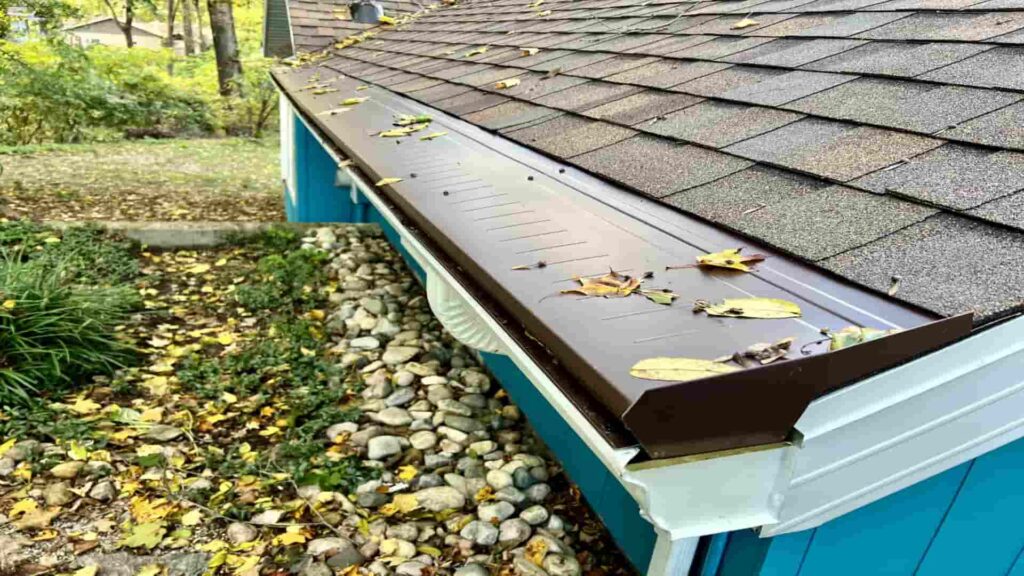
When homeowners shop for gutter protection, they often focus on design or price. However, the materials for gutter guards play the biggest role in performance, durability, and long-term value. The right material can prevent clogs, withstand harsh weather, and reduce maintenance for years.
Different climates, debris types, and roof conditions require different solutions. That’s why understanding gutter guard materials before buying is essential.
In this guide, we’ll break down the most common materials, compare their benefits, and help you choose the best option for your home.
Overview of the 6 Main Materials for Gutter Guards
There are several types of gutter guard materials available, each designed for specific needs and budgets:
Stainless Steel
Vinyl / PVC
Foam
Polypropylene / Plastic
Each material offers different durability, pricing, and performance levels.
Aluminum: The Most Popular All-Rounder
Aluminum is one of the most widely used materials for gutter guards because it balances cost, durability, and performance.
Benefits:
Rust-resistant and lightweight
Long lifespan compared to plastic options
Handles most climates well
Available in mesh, screen, and perforated styles
Aluminum guards are often recommended for homeowners looking for reliable protection without premium costs.
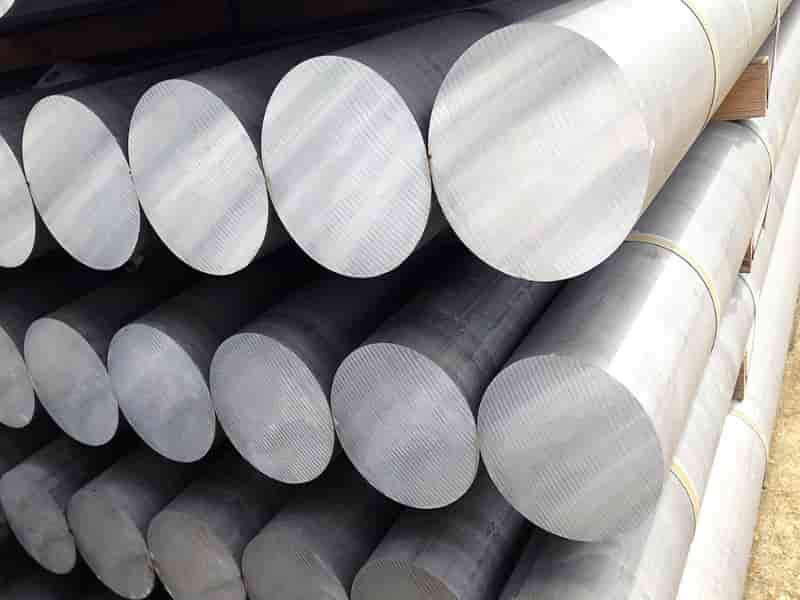
Stainless Steel is best for Durability and Small Debris
Stainless steel is considered one of the strongest gutter guard materials available. It’s commonly used in micro-mesh systems that block even tiny debris like pine needles and roof grit.
Benefits:
Extremely durable and corrosion-resistant
Excellent debris filtration
Ideal for heavy rainfall areas
Long lifespan
For homes surrounded by trees, stainless steel is often the most effective option.
Copper Premium Choice for Curb Appeal and Longevity
Copper gutter guards are the luxury option. They provide exceptional durability and develop a natural patina over time that enhances curb appeal.
Benefits:
Very long lifespan (often decades)
Unique aesthetic appearance
Naturally corrosion-resistant
High property value impact
While expensive, copper is one of the highest-quality materials for gutter guards available.
Vinyl / PVC Budget-Friendly but Climate-Sensitive
Vinyl or PVC gutter guards are among the most affordable options. They are lightweight and easy to install, but may not perform well in extreme temperatures.
Benefits:
Low upfront cost
Simple DIY installation
Rust-proof
Limitations:
Can crack in cold climates
May warp in intense heat
Shorter lifespan compared to metal
These are best suited for mild climates and temporary solutions.
Foam Easiest to Install, But With Trade-Offs
Foam gutter inserts are designed to sit directly inside gutters, blocking debris while allowing water to flow through.
Benefits:
Very easy installation
No tools required
Affordable
Limitations:
Can trap moisture
May degrade over time
Requires replacement more often
Foam is convenient but not always the most durable choice.
Polypropylene Plastic: Lightweight and Affordable
Plastic or polypropylene gutter guards are another budget option. They are lightweight and easy to handle, making them popular for DIY installations.
Benefits:
Low cost
Easy installation
Rust-proof
Limitations:
Less durable than metal
UV exposure can cause brittleness
Shorter lifespan
They work well for homeowners seeking economical gutter protection.
Side-by-Side Comparison Table
| Material | Cost Range (Per Linear Foot) | Lifespan | Best Climate |
|---|---|---|---|
| Aluminum | $2 – $6 | 10–20 years | Most climates |
| Stainless Steel | $4 – $10 | 20+ years | Heavy rain/debris areas |
| Copper | $15 – $30+ | 25+ years | All climates |
| Vinyl / PVC | $0.50 – $3 | 5–10 years | Mild climates |
| Foam | $2 – $5 | 3–5 years | Light debris areas |
| Plastic / Polypropylene | $1 – $4 | 5–10 years | Moderate climates |
Choosing the right material also depends on your current gutter system.
Consider these factors:
Aluminum gutters → Aluminum or stainless steel guards work best
Copper gutters → Copper guards for matching aesthetics
Heavy tree coverage → Stainless steel micro-mesh
Budget concerns → Vinyl or plastic options
DIY installation → Foam or plastic inserts
Matching materials properly improves performance and extends lifespan.
Final Thoughts
Selecting the right materials for gutter guards is more important than many homeowners realize. The material affects durability, maintenance frequency, and long-term cost savings.
Metal options like aluminum and stainless steel provide the best overall value, while copper offers premium longevity and aesthetics. Budget options like vinyl, foam, and plastic can work well for certain situations, but may require more maintenance. If you’re unsure which option is best for your home, it’s always a smart idea to contact us for professional guidance. Our team can evaluate your gutter system, climate conditions, and budget to recommend the most effective solution for long-lasting protection.
Join Our Community
Join our community on Facebook, and don’t forget to subscribe to us on YouTube for new content each week.
FAQs
1. What are the best materials for gutter guards?
Aluminum and stainless steel are the most popular because they balance durability, performance, and cost for most homes.
2. How long do gutter guard materials last?
Metal guards can last 10–25 years or more, while plastic and foam options typically last 3–10 years, depending on climate and maintenance.
3. Which gutter guard material is best for heavy rain?
Stainless steel micro-mesh performs best in heavy rain because it filters debris while allowing strong water flow.
4. Are plastic gutter guards worth it?
Plastic guards are affordable and easy to install, but they may not last as long as metal options in extreme weather conditions.
5. How do I choose the right gutter guard material?
Consider your climate, budget, gutter type, and nearby trees. A professional inspection can help determine the best option.