Many homeowners think any gutter guard will work on any roof, but that is not true. Different roof types change how water flows into the gutter system. Roof pitch, materials, and edge design all affect drainage. If the gutter guard does not match the roof type, water can overflow, or debris can clog the gutter. Over time, this may lead to roof damage or costly repairs.
That is why Roof-specific gutter guards are important. These guards are designed to work with particular roof structures so water can enter the gutter smoothly while leaves and debris stay out. Choosing the right guard for your roof improves drainage and reduces maintenance.
What Makes a Gutter Guard “Roof-Specific”?
A gutter guard becomes roof-specific when it is designed to match key features of a roof. Roof pitch plays a big role because steep roofs move water quickly while low-slope roofs move water slowly. Roof materials also matter because asphalt shingles, metal panels, tile, and slate all direct water differently.
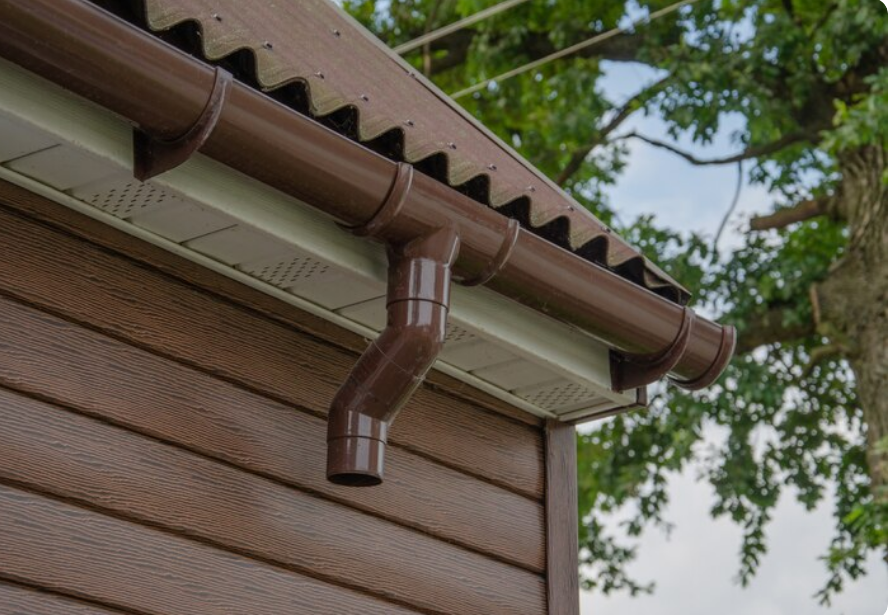
The drip edge is another important factor since it guides water toward the gutter and affects how guards are installed. Installation methods also vary because some guards slide under shingles while others attach directly to the gutter. Because of these differences, Roof-specific gutter guards provide better compatibility and help the gutter system perform properly.
Gutter Guards Designed for Different Roof Types for Asphalt Shingle Roofs
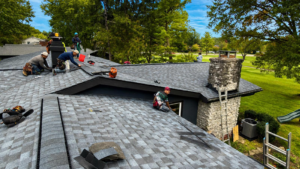
Asphalt shingles are one of the most common roofing materials used on homes. The good news is that many gutter guard types work well with this roof style. Micro-mesh guards, reverse curve guards, and surface tension guards are often recommended. Micro-mesh designs are especially effective because they filter small debris like pine needles and shingle grit.
When installing Gutter Guards Designed for Different Roof Types on asphalt roofs, it is important not to lift the shingles too much because that can damage the roofing layers. Guards should slide under the edge of the shingles or attach to the gutter lip without disturbing the roof structure. Proper installation ensures water flows smoothly into the gutter.
Roof-Type Compatible Gutter Guards for Metal Roofs
Metal roofs require special attention when choosing gutter guards because the panels expand and contract as temperatures change. If guards are attached incorrectly, they may interfere with this movement and cause damage.
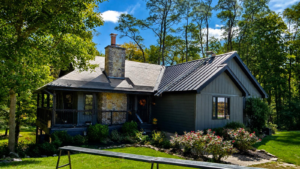
For this reason, gutter-mounted or clip-in designs are often preferred. Metal roofs also shed water very quickly, especially during heavy rainstorms. The gutter guard must be able to capture fast-moving runoff and guide it into the gutter without allowing water to overshoot the system. Using Roof-specific gutter guards designed for metal roofs helps maintain effective drainage and protects the roofing panels.
Roof-Specific Gutter Guards for Tile Roofs
Tile roofs create a unique challenge for gutter guard installation because the tiles are curved and often uneven along the roof edge. Standard guards frequently fail in this situation because they cannot sit properly against the roofline. Instead, custom-fit mesh systems or raised bracket installations are typically used. These allow water to flow beneath the tile edge and into the gutter without interfering with the roofing material.
Tile roofs also tend to collect debris around the edges, making proper protection even more important. With well-designed Roof-specific gutter guards, tile roofs can maintain efficient drainage and reduce the risk of clogged gutters.
Roof-Type Compatible Gutter Guards for Flat or Low-Slope Roofs
Flat or low-slope roofs behave differently from pitched roofs because water flows slowly across the surface before reaching the gutter. In some cases, water may even pool along the edge. For these roofs, gutter guards should not touch the roofing membrane because that could damage the waterproof surface. Instead, low-profile mesh guards or internal gutter strainers are often used.
These allow water to enter easily while preventing debris from blocking the system. Choosing Roof-Type Compatible Gutter Guards for flat roofs helps maintain proper water flow and protects the roof structure.
Custom Gutter Guards for Every Roof Style for Slate and Cedar Shake Roofs
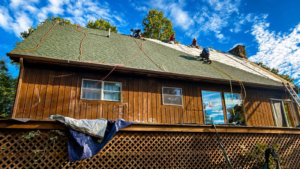
Slate and cedar shake roofs are beautiful but delicate, which means gutter guards must be installed carefully. Drilling or fastening into the roofing material can crack slate tiles or split wooden shakes. Because of this, non-invasive installation methods are recommended.
Clip-on gutter guards or micro-mesh systems that attach directly to the gutter are often the safest options. These systems protect the gutter while preserving the integrity of the roof. When properly selected and installed, Custom Gutter Guards for Every Roof Style provide effective debris protection without risking damage to fragile roofing materials.
How Roof Pitch Affects Your Gutter Guard Choice
Roof pitch plays an important role in determining which gutter guard works best. On low-slope roofs, water flows slowly, so guards must allow easy entry into the gutter. On moderate pitches, most mesh or screen guards perform well.
However, steep roofs create very fast water runoff, which means poorly designed guards may allow water to overshoot the gutter. In these situations, guards who manage high water flow are essential. Understanding how roof pitch affects drainage helps homeowners choose the right guard system for long-term performance.
Buying Checklist: Matching the Right Guard to Your Roof
Before buying a gutter guard system, it is important to evaluate several factors related to your roof and environment. Start by identifying the roof type and material because different surfaces require different installation methods.
Next, consider the roof pitch and how quickly water flows during rainfall. It is also helpful to think about the type of debris around your home, such as leaves, pine needles, or seeds. Finally, check the installation method and maintenance requirements to ensure the guard will work safely with your roof. Following this checklist helps homeowners select the most suitable Specialized Gutter Guards for Specific Roof Materials for their property.
Final Thought
Gutter protection works best when it matches the roof structure. Every roof type directs water in a different way, and a guard that works well on one roof may not work properly on another. By choosing Specialized Gutter Guards for Specific Roof Materials, homeowners can improve drainage, reduce gutter clogs, and protect both the roof and gutter system from damage.
When the guard is designed for the roof type, the entire drainage system works more efficiently and needs less maintenance over time. If you are unsure which option is right for your home, feel free to contact us. Our team can help you choose the right gutter guard solution for your specific roof and ensure it is installed correctly.
Join Our Community
Join our community on Facebook, and don’t forget to subscribe to us on YouTube for new content each week.
FAQs
1. What are roof-specific gutter guards?
Specialized Gutter Guards for Specific Roof Materials are designed to match a roof’s material and slope so rainwater flows into the gutter while leaves and debris stay out.
2. Why do roof types matter for gutter guards?
Different roofs move water differently. The wrong guard can cause overflow or clogging, while roof-specific guards improve drainage.
3. Do gutter guards work on metal roofs?
Yes. Metal roofs require guards that handle fast water runoff and allow for panel expansion without attaching directly to the roof.
4. Are gutter guards safe for tile roofs?
Yes, but special designs are needed. Standard guards often fail on tile roofs because of uneven edges and curved tiles.
5. How does roof pitch affect gutter guards?
Roof pitch controls water speed. Steep roofs need guards that capture fast runoff, while low-slope roofs need guards that allow easy water entry.