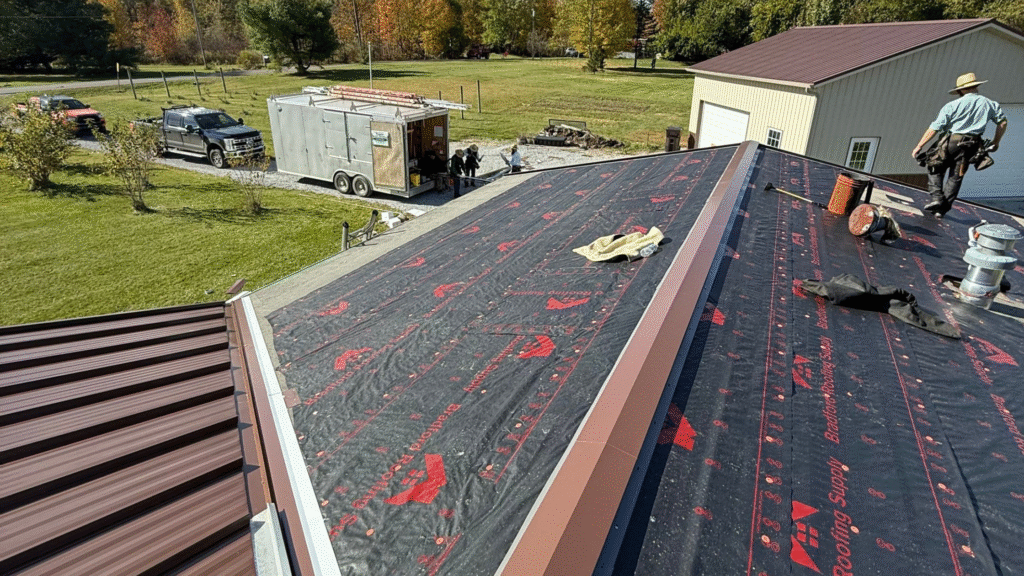
Your roof is one of the hardest-working systems in your home. It protects your structure from storms, shields your family from the elements, regulates temperature, and influences everything from energy efficiency to property value. But even the strongest roofing materials wear down over time, and understanding your roof lifespan is key to planning repairs, budgeting for replacement, and avoiding unexpected damage.
For homeowners in Marengo, Mount Vernon, and throughout Central Ohio, the climate plays a major role in how long a roof lasts. Harsh winters, hot summers, frequent storms, and rapid temperature swings can shorten the lifespan of certain materials—while proper maintenance and quality installation can extend it significantly.
This ultimate guide breaks down the expected roof lifespan for asphalt shingles, metal roofing, wood shake, slate, and other popular materials. We’ll also explore what impacts longevity, how to extend the life of your roof, and how to know when it’s time for repair or replacement. And finally, we’ll explain why choosing an experienced, local contractor like Whitt Roofing & Restoration ensures your roofing system performs at its absolute best.
What Determines Roof Lifespan?
Before comparing roofing materials, it’s important to understand the factors that influence how long any roof will last. While manufacturers may list expected lifespans, the real-world performance of your roof depends on a combination of installation quality, weather conditions, material type, maintenance, and attic ventilation.
The first major factor is climate. Ohio is known for its weather extremes: heavy snowfall, ice storms, hail, high winds, humidity, and prolonged sun exposure. Each of these affects roofing materials differently. Asphalt shingles, for example, expand and contract during freeze-thaw cycles, eventually weakening their structure. Metal roofing, on the other hand, handles temperature changes better but can be dented by large hail. Understanding your local climate conditions helps you choose a material with a roof lifespan suited for Ohio weather.
Installation quality is another key component in how long your roof lasts. Even the best roofing materials can fail prematurely if installed incorrectly. Improper nail placement, inadequate attic ventilation, poorly installed flashing, and skipped underlayment can all reduce your roof lifespan by years. This is why hiring a reputable, experienced contractor is essential—especially in regions with challenging weather patterns.
Ongoing maintenance also plays a major role in roof longevity. Regular inspections, gutter cleaning, minor repairs, and proper attic ventilation all support a longer roof lifespan. For example, clogged gutters can cause water to back up under shingles, reducing their life. Similarly, moss growth, debris accumulation, or damaged flashing can escalate into leaks that shorten a roof’s effective lifespan.
Material quality is equally important. While budget shingles may last 15–20 years, high-performance, impact-resistant shingles can last much longer. Metal, slate, and tile roofing offer even greater durability but come with a higher upfront cost. Choosing the right material depends on your long-term budget, local climate conditions, and the architectural needs of your home.
Finally, roof pitch and design affect how long a roof lasts. Steeper roofs shed water and snow more effectively, reducing moisture exposure. Low-slope roofs require specific materials designed to resist pooling water, and improper material selection can dramatically shorten your roof lifespan.
When you understand these variables, you can make informed decisions about repairing, replacing, or upgrading your roof—and accurately predict how long your investment will last.
Roof Lifespan by Material
Different roofing materials offer different lifespans, benefits, and maintenance needs. Below is a detailed breakdown of the most common roofing materials used in Ohio and what homeowners can expect in terms of durability and performance.
Asphalt Shingles (15–30 Years)
Asphalt shingles are the most popular roofing material in Ohio and across the United States. They are affordable, durable, and available in styles that suit a wide range of home designs. But not all asphalt shingles are created equal, and their roof lifespan varies depending on type and quality.
Three-tab shingles typically last between 15 and 20 years. They are lightweight and cost-effective but less durable against wind, hail, and extreme temperatures. Most modern Ohio homes are built or upgraded using architectural (dimensional) shingles. Architectural shingles last between 20 and 30 years and offer higher wind resistance, better impact tolerance, and improved aesthetic appeal.
For homeowners seeking the best possible performance, impact-resistant shingles are worth considering. These shingles are engineered to withstand hail impacts and windstorms—both of which are common in Central Ohio. Impact-resistant shingles can significantly extend the roof lifespan and may even lower insurance premiums.
Regardless of type, asphalt shingles tend to have a shorter roof lifespan when exposed to harsh freeze-thaw cycles or constant storm activity. Regular maintenance and high-quality installation help maximize durability.
Metal Roofing (40–70+ Years)
Metal roofing offers one of the longest roof lifespans available to homeowners today. Modern metal roofs can last anywhere from 40 to 70 years depending on the type of metal used, coating systems, and environmental factors. Some premium metal roof systems even last a lifetime.
Standing seam metal roofs are particularly popular in Ohio due to their superior wind resistance, energy efficiency, and snow-shedding capabilities. The interlocking design helps prevent leaks, while the smooth metal surface allows snow and ice to slide off easily—reducing winter stress on the roofing system.
Corrugated metal roofing is a more budget-friendly option with a slightly shorter roof lifespan, typically around 40 years. While durable, these systems may be more prone to damage from large hail or heavy debris.
Metal roofing offers several advantages: fire resistance, low maintenance, energy efficiency, and eco-friendliness. However, installation is highly specialized, and choosing an experienced contractor is crucial to realizing the full roof lifespan metal roofing can offer.
Wood Shake (20–40 Years)
Wood shake roofs offer a natural, rustic look that appeals to homeowners seeking a unique aesthetic. However, wood shake roofing requires more maintenance than other materials. Its roof lifespan typically ranges from 20 to 40 years depending on climate and upkeep.
Ohio’s humidity, rain, and seasonal moisture make wood shake more vulnerable to mold, rot, moss, and decay. Regular treatment and cleaning are essential to protect the wood and maximize lifespan. While stunning, wood shake roofs are best suited for homeowners committed to ongoing maintenance.
Slate Roofing (75–150+ Years)
Slate is one of the longest-lasting roofing materials available, with a roof lifespan that easily exceeds 75 years and can reach 150 years or more. It is extremely durable, fireproof, weather-resistant, and visually striking. Slate is often found on historic homes or luxury properties.
However, slate roofing is heavy and requires reinforced roof structures. Installation is specialized and should only be performed by contractors experienced in slate roofing. While the initial cost is high, slate’s unmatched longevity makes it one of the best long-term investments in roofing.
Clay & Concrete Tiles (50–100 Years)
Clay and concrete tiles offer excellent durability and impressive roof lifespans, often lasting 50 to 100 years or longer. They resist fire, insects, rot, and severe weather. However, like slate, they are heavy and require proper structural support.
In Ohio’s climate, clay and concrete tiles perform well but may be susceptible to cracking during freeze-thaw cycles if not installed correctly. With proper installation and maintenance, these roofing materials deliver outstanding longevity.
Factors That Reduce or Extend Roof Lifespan
While material type is the foundation of roof lifespan, other factors either shorten or extend how long a roof will truly last. Homeowners can significantly influence longevity by understanding and managing these factors.
Weather exposure is one of the biggest contributors to shortened roof lifespan. Hail, wind, snow, and extreme temperatures all wear down materials over time. Homes with little tree coverage may see roofs degrade faster due to constant UV exposure, while shaded roofs may face moisture or moss issues.
Poor installation is one of the most common causes of premature roof failure. Incorrect nailing, inadequate ventilation, incorrect shingle placement, or skipped underlayment can reduce roof lifespan dramatically. This is why it’s so important to choose a contractor with experience in Ohio roofing systems.
Ventilation and insulation play a critical role in roof longevity. An attic that traps heat or moisture will cause shingles to blister, warp, or deteriorate faster. During winter, poor ventilation contributes to ice dam formation, which damages shingles and decking.
Maintenance also affects roof lifespan. Regular inspections catch issues early, preventing small problems from becoming expensive repairs. Cleaning gutters, trimming overhanging branches, removing debris, and addressing leaks promptly all support a longer-lasting roofing system.
Storm damage can shorten roof lifespan quickly if it goes unnoticed. Many homeowners don’t realize their roof has suffered hail or wind damage until leaks appear months later. Scheduling professional inspections after major storms helps preserve your roof and ensures insurance claims are handled on time.
Finally, material quality influences longevity. Choosing impact-resistant shingles, high-quality metal panels, or upgraded underlayment can add years to your roof’s performance.
By understanding these factors, homeowners can make smarter decisions that extend the life of their roof and protect their home from unnecessary damage.
How to Know When It’s Time for a New Roof
Even with excellent maintenance, no roof lasts forever. Knowing the signs that your roof lifespan is nearing its end helps prevent structural damage, leaks, or costly emergency repairs.
One of the most common signs is shingle deterioration. If your shingles are curling, cracking, missing granules, or becoming brittle, the roof is aging. This is especially common with asphalt shingles approaching the 20- to 25-year mark.
Leaks inside the home signal that the roof’s protective layers are failing. Water stains on ceilings, bubbling paint, or damp insulation in the attic are red flags. While small leaks can sometimes be repaired, widespread moisture problems indicate that the roof lifespan is nearly over.
Sagging rooflines point to structural issues. If parts of your roof appear bowed, uneven, or dipping, this may indicate rotting decking or compromised support beams. Sagging is a serious issue that should be addressed immediately.
Moss growth and algae indicate moisture issues. While moss doesn’t automatically mean the roof needs replacement, significant growth can shorten roof lifespan by trapping water against shingles.
Storm damage is another major indicator. If wind has lifted shingles or hail has bruised the roof, replacing a roof may be more cost-effective than repairing extensive damage.
Finally, the age of your roof matters. Even if your roof looks fine on the surface, an asphalt shingle roof older than 25 years or a metal roof older than 50 may be nearing the end of its useful life. Regular inspections help you understand whether repairs or replacement make more sense.
Why Choose Whitt Roofing & Restoration
Choosing the right contractor is one of the most important decisions you can make when maintaining or replacing a roof. Your roof lifespan depends heavily on installation quality, material expertise, and long-term support—exactly what Whitt Roofing & Restoration provides.
Whitt Roofing & Restoration is trusted by homeowners across Marengo, Mount Vernon, and Central Ohio because of our dedication to craftsmanship, honesty, and customer care. We understand Ohio’s weather patterns, building codes, and roofing challenges better than anyone. This local expertise ensures your roofing system is built to withstand everything from freezing winters to summer heatwaves.
We use high-quality materials engineered for long roof lifespan, including industry-leading shingles, metal roofing systems, and underlayment products. Our team is trained in advanced roofing techniques that ensure every roof we install is durable, weather-resistant, and built to last.
Customer service is at the heart of what we do. We provide clear communication, transparent pricing, and thorough inspections. We also help homeowners with storm damage claims, working directly with insurance companies to make the process smooth and stress-free.
When you trust Whitt Roofing & Restoration with your home, you’re not just getting a contractor—you’re partnering with a company that cares about your long-term protection, comfort, and peace of mind. Contact us today for a quote.