For many years, homes were built with only one exterior siding type, which often made houses look flat and uniform. Today, homeowners and designers prefer more dynamic and visually appealing exteriors. This shift has made mixed siding materials increasingly popular.
By combining different siding types, a home gains texture, contrast, and architectural depth. Instead of a single surface covering the entire structure, different materials can highlight specific areas of the house, such as entryways, gables, or lower walls. This design approach not only improves appearance but also allows materials to be used where they perform best. Because of these benefits, mixed siding materials are quickly replacing the traditional single-material exterior style.
What are combination siding materials? Definition and Why It’s Trending
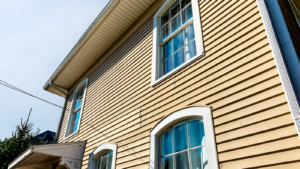
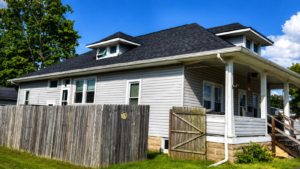
Mixed siding materials refer to using two or more different siding types on a home’s exterior instead of covering the entire structure with just one material. For example, a home might combine fiber cement siding with stone veneer siding, or use vinyl siding with wood accents to create visual contrast. This trend is growing because it allows homeowners to create a unique, modern look while maintaining durability and functionality.
Different materials add different textures and tones, which help break up large wall spaces and create a balanced exterior design. Another reason for the trend is practicality; some materials work better in certain areas of a house. Stone or brick can provide strong protection on the lower portion of a home, while lighter materials such as vinyl or fiber cement are often used on upper sections.
The 6 Most Popular Siding Materials to Mix
When planning layered siding materials, choosing compatible materials is important for both style and durability. Several siding types work particularly well when combined because they offer different textures, colors, and performance benefits. Many homeowners mix vinyl siding, fiber cement siding, wood siding, brick siding, stone veneer siding, and metal siding to create a balanced exterior.
Vinyl is often used as a primary siding because it is affordable and low-maintenance. Fiber cement provides strong weather resistance and a clean, modern appearance. Wood siding adds warmth and natural character, while brick offers a classic and durable finish. Stone veneer siding is popular for adding texture and a premium look, especially around foundations or entryways.
Metal siding is often used in modern homes to create sleek architectural accents. Combining these materials allows homeowners to achieve a distinctive design while keeping their exterior functional and long-lasting.
Why Homeowners Are Choosing Multiple Siding Materials
Homeowners are increasingly choosing combination siding materials because they offer both visual and practical benefits. One major reason is improved curb appeal. Using different siding textures and colors creates depth and character, making a home stand out in the neighborhood. Another advantage is cost control. Premium materials such as stone or brick can be used only in key areas, while more affordable options like vinyl siding or fiber cement siding cover the larger sections of the house.
This approach helps balance budget and design. Mixed siding also allows homeowners to personalize their homes according to their style preferences. Whether someone prefers a modern, rustic, or traditional appearance, combining materials makes it easier to achieve a unique exterior design.
Basic Design Rules Before You Start
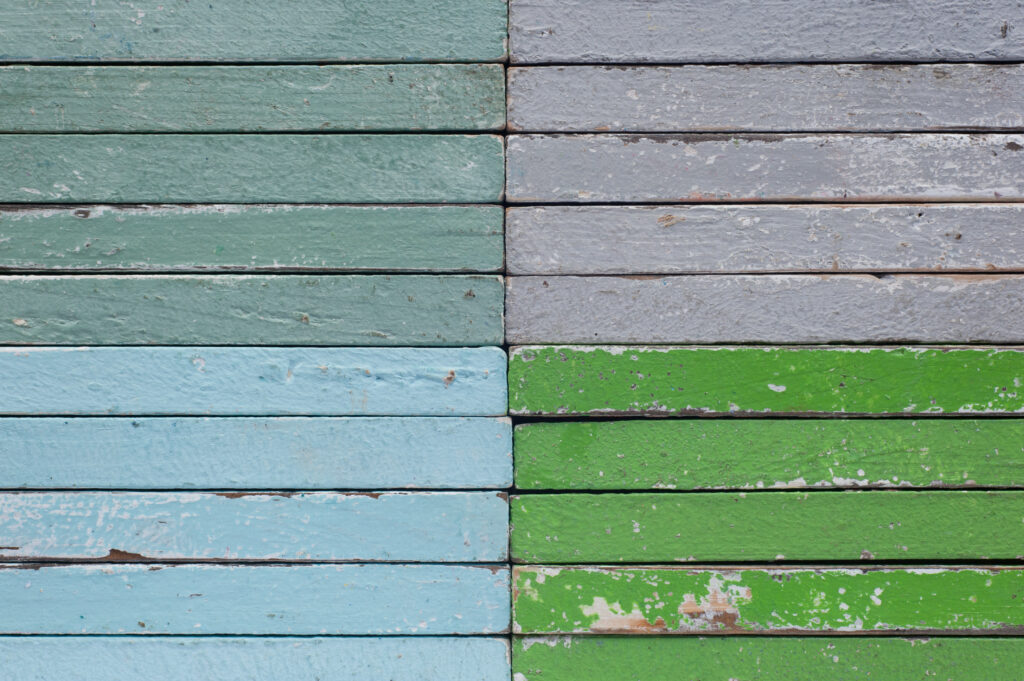
Before installing mixed siding materials, it is important to follow a few basic design rules to ensure the final result looks balanced and cohesive. One of the most important guidelines is to limit the number of materials used. Most exterior designers recommend using no more than two or three siding types to avoid a cluttered appearance. Color coordination is also essential. The materials should complement each other so that the overall exterior looks harmonious rather than chaotic.
Neutral color palettes often work well when combining materials like vinyl siding, fiber cement siding, and stone veneer siding. Another key rule is maintaining proper proportion. Heavier or textured materials, such as brick or stone, are usually placed on the lower portion of a house, while lighter materials appear on upper sections to create visual balance.
Common Mistakes to Avoid
Although multiple siding materials can greatly improve a home’s exterior, poor planning can lead to design problems. One common mistake is using too many materials or textures, which can make the exterior look overly busy and unorganized. Another issue occurs when the materials do not match the architectural style of the house.
For example, a modern home may not pair well with overly traditional siding combinations. Homeowners also sometimes overlook the maintenance differences between materials. Wood siding, for example, may require more upkeep compared to low-maintenance options like vinyl siding or fiber cement siding. Proper planning and thoughtful material selection can help prevent these problems and create a more cohesive design.
When to Call a Professional
Designing and installing mixed siding materials can be complex, especially for homeowners who are unfamiliar with exterior construction. Professional contractors and siding specialists understand how different materials perform and how they should be installed together. They can recommend the best combinations of materials, help plan the layout, and ensure the installation follows proper building standards.
Professionals also understand weather resistance, ventilation needs, and structural considerations, which are important for long-term durability. If a project involves large-scale siding replacement or structural changes, working with an experienced professional can help avoid costly mistakes and ensure the finished exterior looks balanced and durable.
Final Thought
The growing popularity of hybrid siding materials reflects the modern desire for more customized and visually interesting home exteriors. By combining materials such as vinyl siding, fiber cement siding, stone veneer siding, and wood accents, homeowners can create a design that is both attractive and practical.
Mixed siding allows greater flexibility in style while improving curb appeal and controlling construction costs. When planned carefully and installed properly, this approach can transform a simple exterior into a unique and well-balanced design that enhances the overall value and appearance of a home. If you’re considering upgrading your home exterior with mixed siding, our team is here to help. Contact us today to discuss your project and get expert guidance on the best siding combinations for your home.
Join Our Community
Join our community on Facebook, and don’t forget to subscribe to us on YouTube for new content each week.
FAQs
1. What are combination exterior siding?
varied siding materials use two or more siding types on a home exterior to create visual contrast, improve durability, and enhance curb appeal.
2. Why is multi-texture siding exterior popular?
They improve curb appeal, add design depth, allow cost control, and help homeowners create a more personalized exterior style.
3. Which siding materials work best together?
Common combinations include vinyl siding, fiber cement siding, stone veneer siding, brick siding, wood siding, and metal siding.
4. How many siding materials should a home use?
Most designers recommend using only two or three materials to keep the exterior balanced and visually appealing.
5. Does multi-texture siding exterior increase home value?
Yes. A well-designed mixed siding exterior can improve curb appeal and make a home more attractive to buyers.